Same-Day Service Available
Ant Control MelbourneStarting From $179
Species-specific ant elimination targeting the colony at its source using advanced gel baits, dusts, and barrier treatments for long-term control.
Get a Free Ant Control Quote
5+ Years Of Local Experience
Skilled Local Technicians
Same-Day Service Available
Affordable Melbourne Pricing
Pet & Family Safe Treatments
Why Ant Control Should Not Wait
What it costs you to leave the problem alone.
Food contamination
Ants walk across drains, bins and garden soil before they walk across your bench, and they carry bacteria with them onto food surfaces and into open packets.
Electrical and appliance faults
Several species nest in warm electrical housings. Dishwashers, air conditioners, hot water units and switchboards all get colonised, and the nesting material causes real faults.
Colonies that split when you spray
Surface sprays kill foragers and stress the nest. Some species respond by budding, splitting into several new nests in different places, so a single problem becomes three.
What Our Ant Control Includes
Every job is carried out by a licensed, insured local technician.
Species identification and nest location
Slow-acting gel bait application for colony elimination
Dust treatment for wall cavities and voids
External barrier spray around entry points
Targeted treatment for different ant species (black ants, coastal brown ants, carpenter ants)
1,000+
Happy Customers
155+
Suburbs Covered
5+
Years Experience
24/7
Customer Support
How To Identify Melbourne Ants
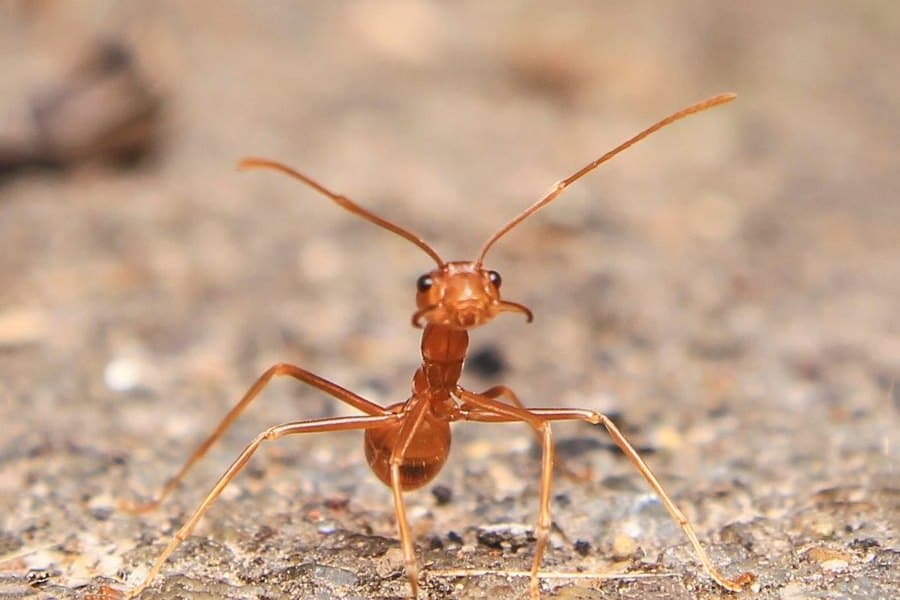
One ant on the bench is scouting. The trail that appears the next morning is the result of that scout getting back to the nest, and that is the point where spraying the line makes the problem harder rather than easier.
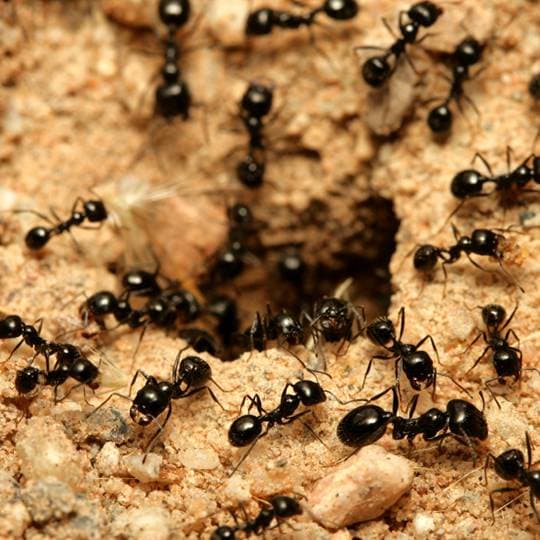
- Black house ants are small, shiny and black, and are the ones that trail across kitchen benches and into the pantry after anything sweet.
- Coastal brown ants are pale brown and leave small piles of excavated soil at the edges of paths, paving and garden beds.
- Argentine ants are light brown and form huge co-operating colonies, so they arrive in large numbers and are the hardest to shift.
- White-footed house ants are black with pale feet and nest in wall cavities, roof voids and behind kitchen cupboards.
Signs You Have A Problem
Spot any of these and it is worth getting the property looked at.
- A defined trail of ants along a bench edge, skirting board or window frame.
- Small mounds of fine soil pushed up between pavers, at path edges or in the garden bed.
- Ants appearing indoors within a day or two of heavy rain, or during a hot dry spell.
- Winged ants around windows in spring, which means a mature nest nearby is producing new queens.
- Activity concentrated around the dishwasher, fridge motor or hot water unit, which are warm and often damp.
Our Ant Control Process
Step by step, so you know exactly what happens and when.
Detailed inspection of kitchens, pantries, bathrooms, and water sources
Ant species identification to determine optimal treatment approach
Strategic gel bait placement near trails and high-activity zones
Dust application to wall voids, electrical outlets, and roof spaces where nests exist
External perimeter spray to block re-entry routes
Treatment of outdoor nests in gardens, paving, and lawns
Sanitation and storage recommendations to prevent re-infestation
Follow-up visit if required for persistent colonies
Ant Control Pricing
Starting prices for a standard residential property, including ant control. Every job is quoted before we begin.
Starting From $129
The most affordable pest control service
Note: Final prices will depend on the type of treatment, the level of infestation and the size of the property.
Starting From $179
Full internal and external ant treatment
Note: Final prices will depend on the type of treatment, the level of infestation and the size of the property.
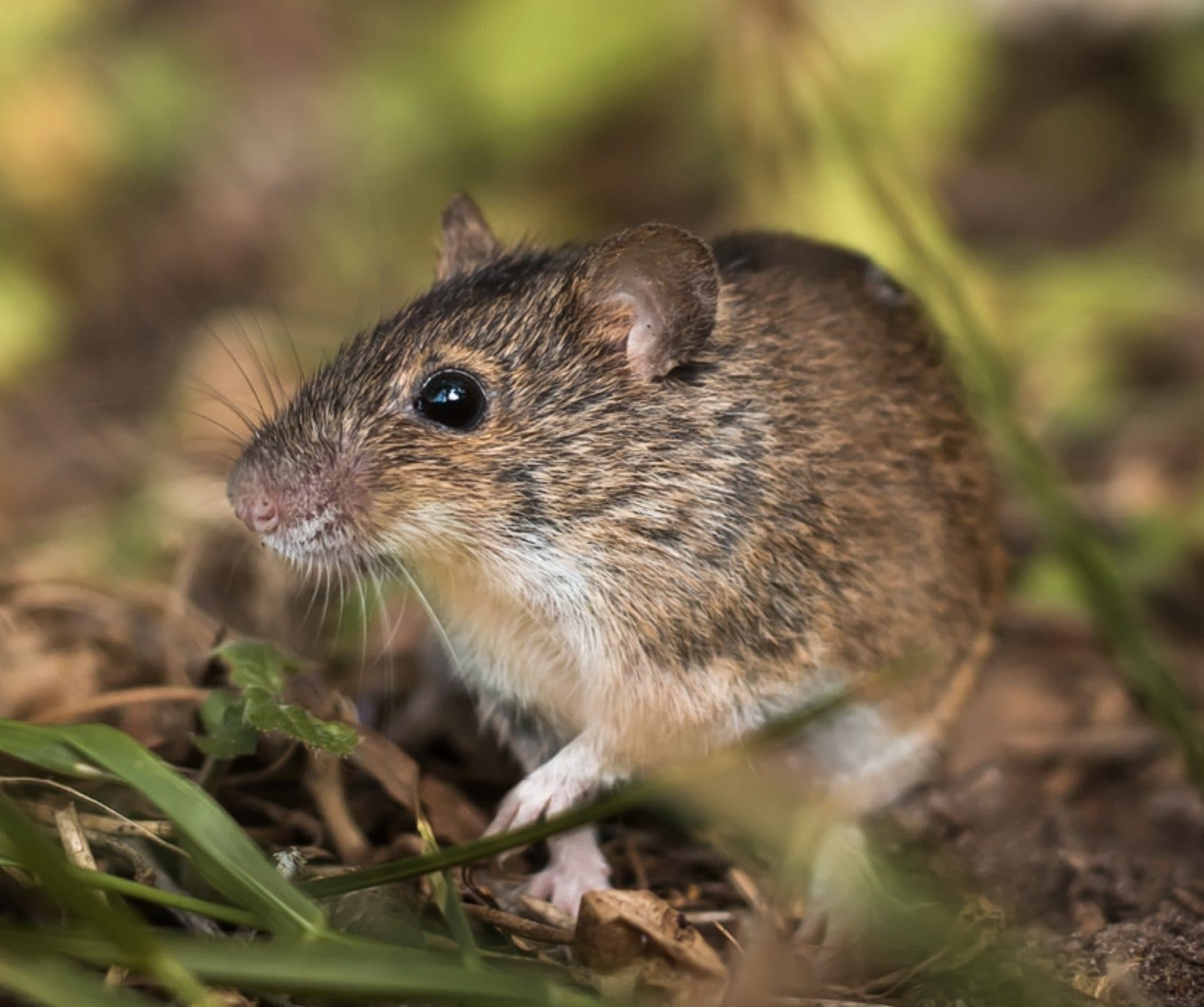
Starting From $199
Residential rat and mouse treatment
Note: Final prices will depend on the type of treatment, the level of infestation and the size of the property.
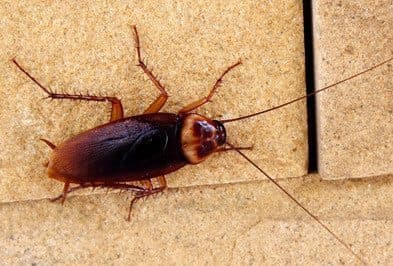
Starting From $199
Full internal and external cockroach treatment
Note: Final prices will depend on the type of treatment, the level of infestation and the size of the property.
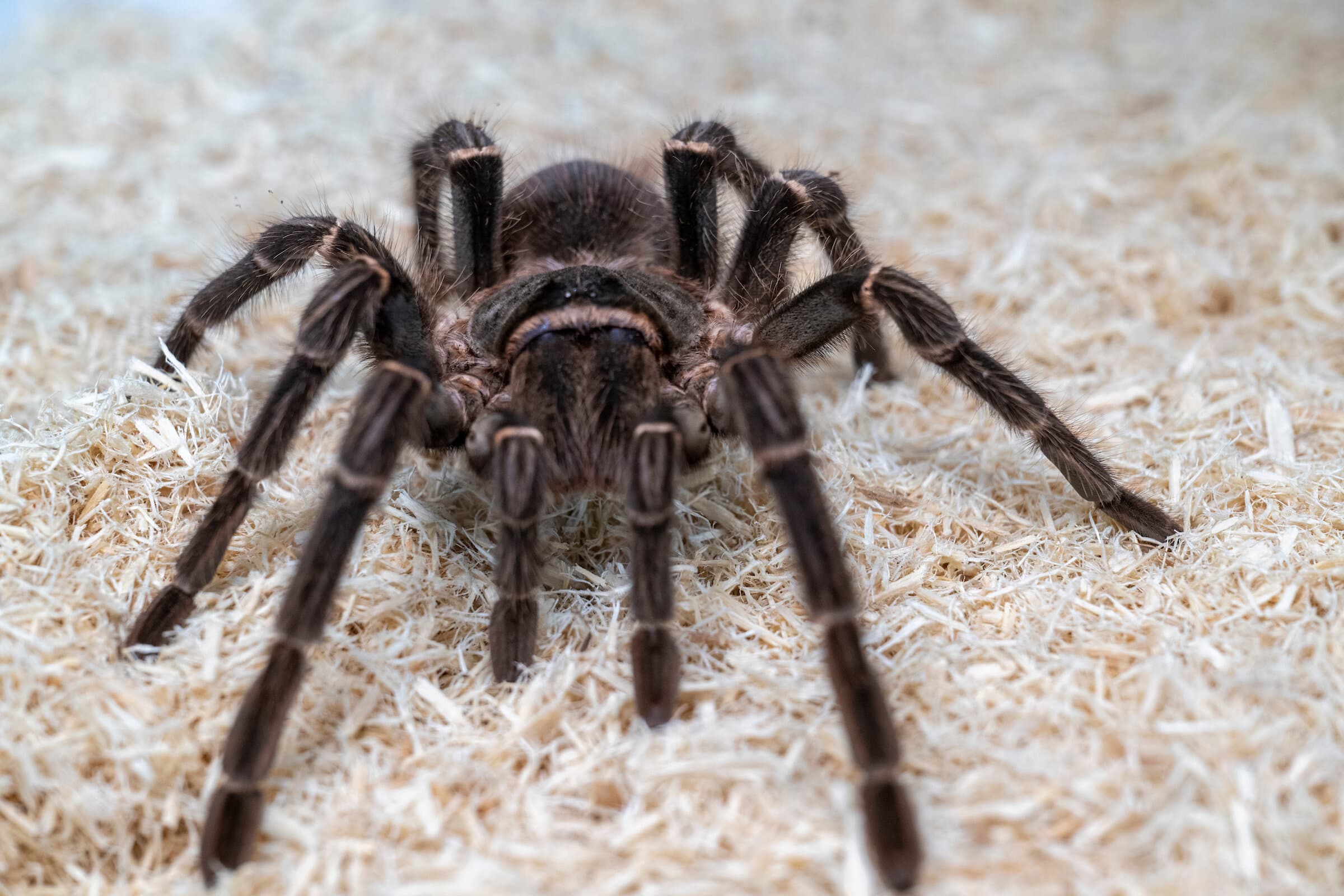
Starting From $199
Internal and external spider and web treatment
Note: Final prices will depend on the type of treatment, the level of infestation and the size of the property.
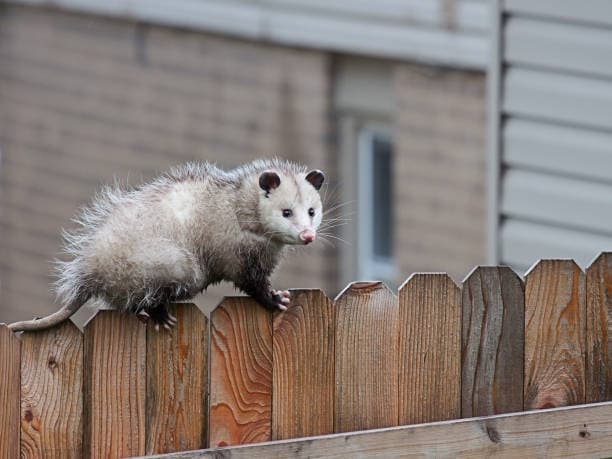
Starting From $349
Humane possum removal and roof proofing
Note: Final prices will depend on the type of treatment, the level of infestation and the size of the property.
All prices shown are starting prices for a standard residential property. Call us for an exact quote before any work begins.
Safe For Your Family And Pets
All ant baits and treatments are non-toxic to humans and pets when used correctly. Gel baits are applied only where ants travel, not on open food surfaces or high-contact areas.
Our Guarantee
We offer a pest-free guarantee. If pests return within the warranty period, we come back and treat again at no extra cost. Every technician is fully licensed and insured.
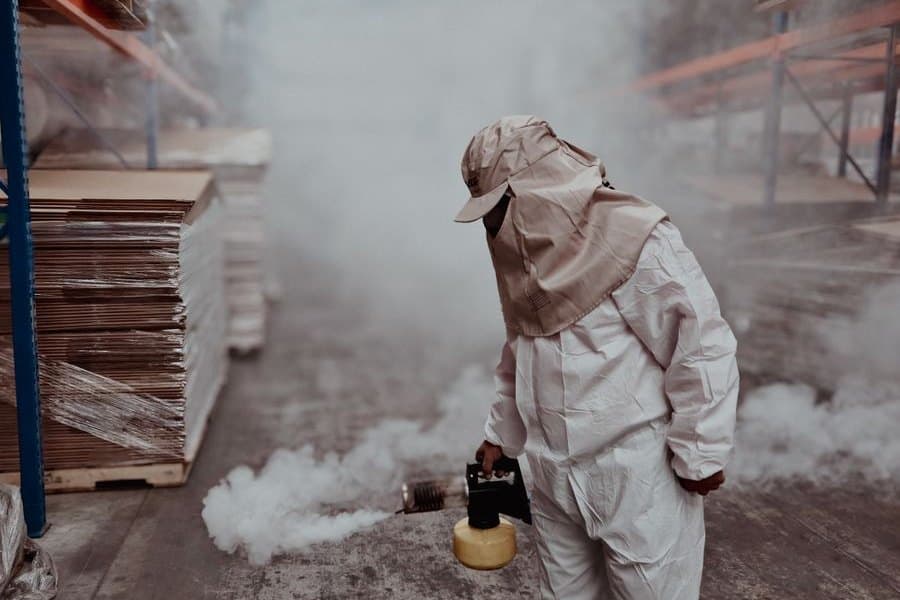
When They Are Worst In Melbourne
Melbourne ant activity rises from September, peaks over summer, and spikes twice more predictably: right after heavy rain, when nests flood and the colony moves to higher ground indoors, and during long dry spells, when they come inside looking for water. Kitchens and bathrooms are the first rooms hit both times.
Why DIY Usually Fails
Supermarket sprays kill the ants on the bench, which is the visible 5 percent of the colony. The queen and the brood are untouched and the trail is back within days. Effective treatment uses a transfer product the foragers carry home and share, so the nest itself is dealt with, combined with treating the entry routes rather than the bench top.
Why Choose Rick Pest Control For Ant Control?
Fast, honest work from a local team that treats your property the way we would treat our own.
Custom treatment strategy for different ant species and behaviors
Safe for use in sensitive areas like kitchens, childcare centers, and schools
Results often visible within 24-48 hours
Long-lasting colony elimination, not just surface control
Environmentally responsible products
Guaranteed follow-up if ants return within warranty period
Why Melbourne Trusts Us
Licensed, insured and fully equipped. Every treatment we carry out is done to Australian standards and backed by our guarantee.
Need Ant Control Today?
Talk to a local technician now and get a free, no-obligation quote. Ant Control starts from $179.
Write a Review
Customer Reviews (14)
How To Keep Them Away
Simple things you can do between visits to make your property a harder target.
Wipe down countertops with vinegar or soapy water to remove ant scent trails.
Seal all cracks around baseboards, windows, and doors.
Store food in airtight containers and clean up spills immediately.
Fix leaking taps and remove standing water sources.
Trim tree branches touching the house as ants use them as highways.
Keep pet food bowls clean and avoid leaving food out overnight.
Did you know? Some ant species have multiple queens and can split into separate colonies when threatened, which is why professional treatment targeting the entire colony is essential.
Ant Control FAQs
Answers to what people ask us most before they book.
How much does ant control cost in Melbourne?+
Ant Control starts from $179 for a standard residential property. Final prices will depend on the type of treatment, the level of infestation and the size of the property. Call +61 459 372 796 and we will give you an exact figure before any work begins.
How quickly can you come out?+
In most cases we offer same-day or next-day service across Melbourne. Ring us before 12pm and we can usually treat the same day, subject to technician availability in your area.
Is ant control safe for children and pets?+
All ant baits and treatments are non-toxic to humans and pets when used correctly. Gel baits are applied only where ants travel, not on open food surfaces or high-contact areas.
What happens during a ant control visit?+
We start with detailed inspection of kitchens, pantries, bathrooms, and water sources, then ant species identification to determine optimal treatment approach, then strategic gel bait placement near trails and high-activity zones. The full job runs to 8 steps, and your technician will talk you through each one on site.
What if the pests come back?+
We offer a pest-free guarantee. If they return within the warranty period, we come back and treat again at no extra cost.
How do I stop them coming back?+
Wipe down countertops with vinegar or soapy water to remove ant scent trails. Seal all cracks around baseboards, windows, and doors. Store food in airtight containers and clean up spills immediately. Your technician will point out anything specific to your property on the day.
Do you service my suburb?+
We cover 155+ Melbourne suburbs, from the Mornington Peninsula to the western growth corridor, for both homes and businesses. Call +61 459 372 796 and we will confirm availability for your address.
Servicing 155+ Melbourne Suburbs
From the Mornington Peninsula to the western growth corridor, our technicians cover the whole metro area.
Western Suburbs
- Altona
- Altona North
- Bacchus Marsh
- Burnside
- Caroline Springs
- Darley
- Deanside
- Deer Park
- Essendon
- Flemington
- Footscray
- Fraser Rise
+ 23 more suburbs
Northern Suburbs
- Airport West
- Broadmeadows
- Brunswick
- Brunswick East
- Bundoora
- Coburg
- Coolaroo
- Craigieburn
- Dallas
- Epping
- Fawkner
- Gladstone Park
+ 18 more suburbs
Eastern Suburbs
- Ashburton
- Bayswater
- Bayswater North
- Blackburn
- Blackburn South
- Boronia
- Box Hill
- Box Hill South
- Burwood
- Burwood East
- Clayton
- Doncaster
+ 18 more suburbs
South East Melbourne
- Beaconsfield
- Berwick
- Carrum Downs
- Clyde
- Clyde North
- Cranbourne
- Cranbourne East
- Cranbourne North
- Cranbourne West
- Dandenong
- Dandenong South
- Doveton
+ 18 more suburbs
Other Services We Offer
Dealing with more than one pest? We can treat it all in the same visit.