Same-Day Service Available
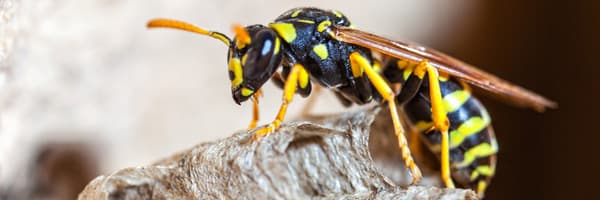
Wasp Removal Melbourne
Professional wasp and hornet nest removal services using safe, effective methods to eliminate nests and prevent aggressive wasp activity around your property.
Get a Free Wasp Removal Quote
5+ Years Of Local Experience
Skilled Local Technicians
Same-Day Service Available
Affordable Melbourne Pricing
Pet & Family Safe Treatments
Why Wasp Removal Should Not Wait
What it costs you to leave the problem alone.
Repeated stings
Unlike a bee, a wasp does not lose its sting and can sting many times. A disturbed European wasp nest sends out a large defensive response, and multiple stings are a medical emergency for anyone allergic.
Nests get very large by autumn
A European wasp nest that started as a golf ball in spring can hold thousands of workers by March. The same nest ignored in November is a much more dangerous job in autumn.
Hidden nests in the building
Wall cavity and roof void nests chew through plaster and insulation as they expand, and the nest is not visible until the wasps are already inside the house.
What Our Wasp Removal Includes
Every job is carried out by a licensed, insured local technician.
Nest location and species identification
Direct nest treatment and elimination
Complete nest removal and disposal
Treatment of inaccessible nests in walls and roofs
Preventative measures to deter nest building
1,000+
Happy Customers
155+
Suburbs Covered
5+
Years Experience
24/7
Customer Support
Wasps Or Bees?
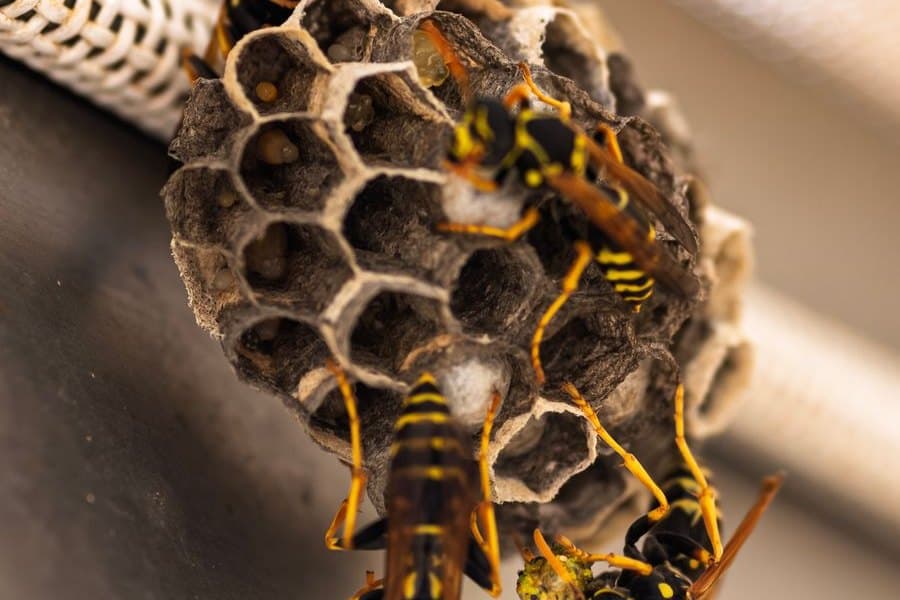
European wasps are a declared pest in Victoria and they behave nothing like bees. They sting repeatedly, they get aggressive in late summer, and a nest near a back door is a genuine hazard rather than a nuisance.
- European wasps are bright yellow and black, smooth and hairless, about 15mm, with a distinct narrow waist and legs tucked up in flight.
- Paper wasps are slimmer, more orange brown, and hang their small open comb nest under eaves, pergolas and outdoor furniture. They fly with their legs dangling.
- European wasp nests are enclosed and hidden: in a wall cavity, a roof space, a compost heap, or a hole in the ground. What you see is a stream of wasps in and out of one small opening.
- Bees are furry and visit flowers. Wasps are shiny and are the ones at your food and drink.
Signs You Have A Problem
Spot any of these and it is worth getting the property looked at.
- Wasps flying in and out of a single point in a wall, eave, air brick or hole in the lawn.
- Wasps consistently arriving at meat, sweet drinks or the bin whenever you eat outside.
- A grey papery nest under an eave, pergola or outdoor setting.
- Wasp numbers around the property climbing steadily through summer into autumn.
- Aggressive behaviour near one particular spot in the garden or shed.
Our Wasp Removal Process
Step by step, so you know exactly what happens and when.
Property inspection to locate all wasp nests and activity
Species identification (paper wasps, European wasps, mud daubers)
Assessment of nest accessibility and risk level
Application of knockdown insecticide directly to nest entrance
Waiting period for complete colony elimination
Physical removal of nest from eaves, trees, or structures
Treatment of ground nests with dust insecticide
Sealing of potential nesting sites in eaves and wall cavities
Follow-up inspection to ensure no nest rebuilding
Wasp Removal Pricing
Starting prices for a standard residential property, including wasp removal. Every job is quoted before we begin.
Starting From $129
The most affordable pest control service
Note: Final prices will depend on the type of treatment, the level of infestation and the size of the property.
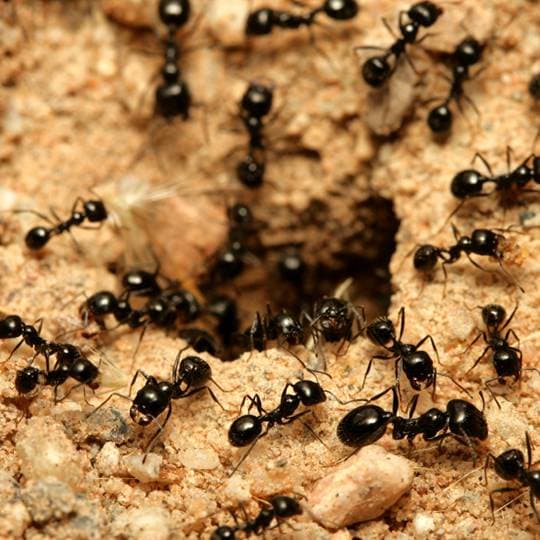
Starting From $179
Full internal and external ant treatment
Note: Final prices will depend on the type of treatment, the level of infestation and the size of the property.
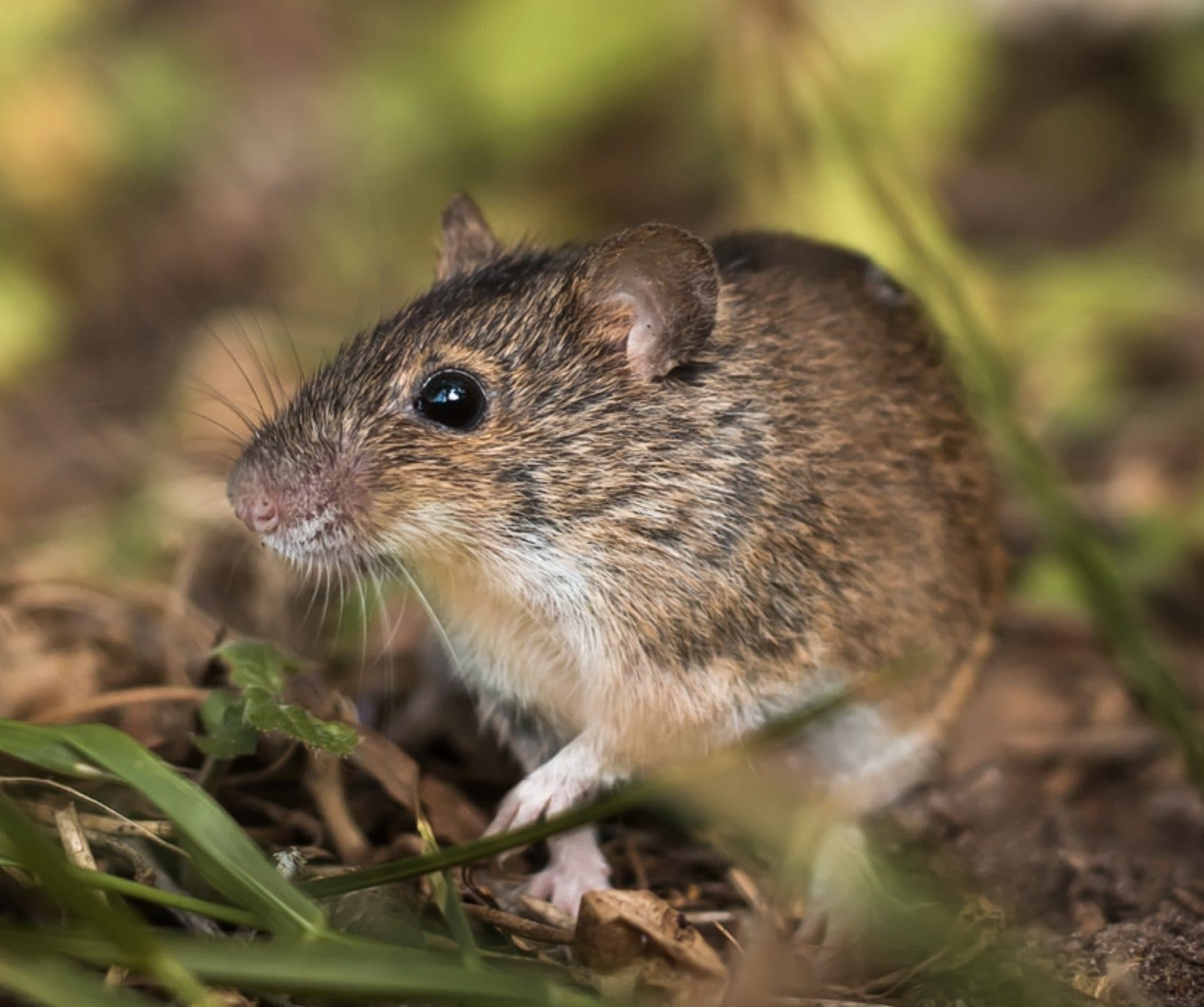
Starting From $199
Residential rat and mouse treatment
Note: Final prices will depend on the type of treatment, the level of infestation and the size of the property.
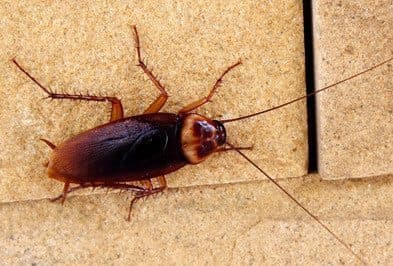
Starting From $199
Full internal and external cockroach treatment
Note: Final prices will depend on the type of treatment, the level of infestation and the size of the property.
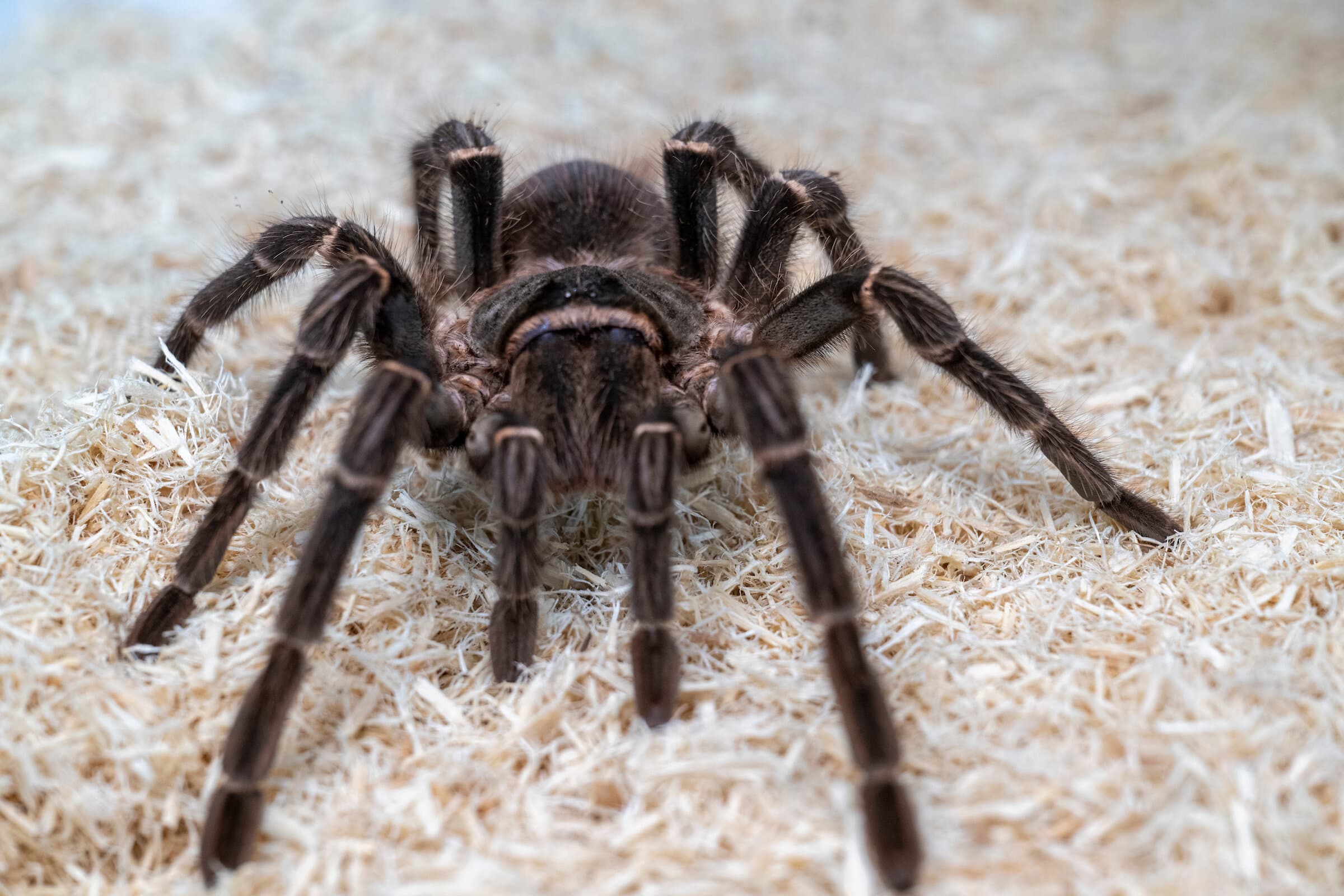
Starting From $199
Internal and external spider and web treatment
Note: Final prices will depend on the type of treatment, the level of infestation and the size of the property.
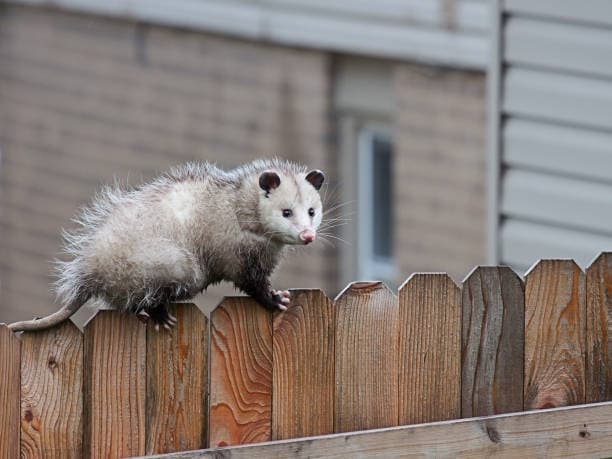
Starting From $349
Humane possum removal and roof proofing
Note: Final prices will depend on the type of treatment, the level of infestation and the size of the property.
All prices shown are starting prices for a standard residential property. Call us for an exact quote before any work begins.
Safe For Your Family And Pets
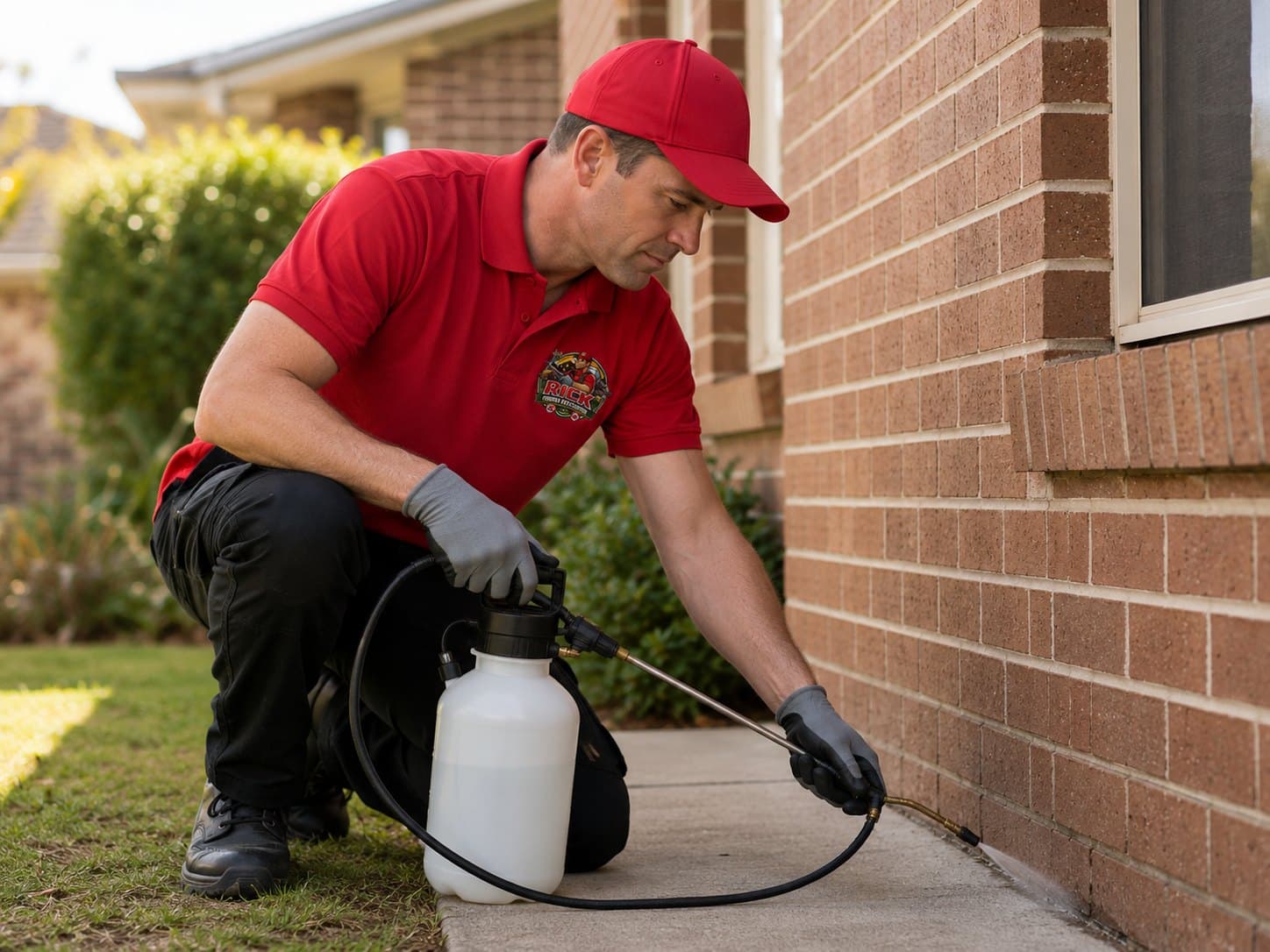
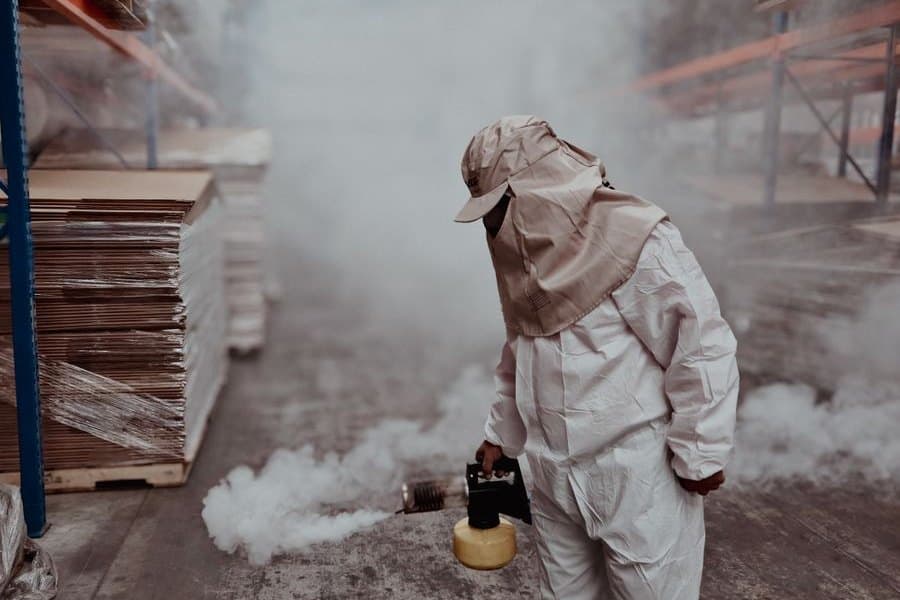
Wasp removal is performed using protective equipment and specialized techniques to minimize the risk of stings. Treatments are applied at dawn or dusk when wasps are least active.
Our Guarantee
We offer a pest-free guarantee. If pests return within the warranty period, we come back and treat again at no extra cost. Every technician is fully licensed and insured.
When They Are Worst In Melbourne
Melbourne European wasp activity starts small in spring, builds all summer, and peaks from February to April, which is when almost all the serious call-outs happen and when the wasps are at their most aggressive around food. Nests die off over winter, but a mild winter lets some survive and start the next season much larger.
Why DIY Usually Fails
Do not spray the entrance of a European wasp nest and do not block it. Both provoke a mass defensive response, and a nest in a wall cavity will simply chew a new way out, sometimes into the room on the other side. Nests are treated by getting the product into the nest itself, at the right time of day, in protective equipment.
Why Choose Rick Pest Control For Wasp Removal?
Fast, honest work from a local team that treats your property the way we would treat our own.
Fast emergency response for dangerous wasp situations
Experienced handling all Australian wasp species
Safe removal from difficult locations like high eaves and trees
Complete nest elimination prevents future problems
Protective equipment and expertise ensure safe treatment
Same-day service available for urgent situations
Why Melbourne Trusts Us
Licensed, insured and fully equipped. Every treatment we carry out is done to Australian standards and backed by our guarantee.
Need Wasp Removal Today?
Talk to a local technician now and get a free, no-obligation quote.
Write a Review
Customer Reviews (27)
How To Keep Them Away
Simple things you can do between visits to make your property a harder target.
Never attempt to remove a wasp nest yourself - wasps can sting multiple times.
Stay calm and move slowly if wasps are nearby; swatting attracts them.
Keep outdoor food and drinks covered during summer months.
Seal gaps in eaves, roof tiles, and wall cavities where wasps nest.
Remove fallen fruit from trees as it attracts wasps.
Keep garbage bins sealed and away from outdoor entertainment areas.
Have nests removed in early spring before colonies grow large.
Did you know? European wasps are highly aggressive and can sting repeatedly without dying. A single nest can contain over 100,000 wasps by late summer, making early detection and removal crucial.
Wasp Removal FAQs
Answers to what people ask us most before they book.
How much does wasp removal cost in Melbourne?+
Treatments start from $129 for a standard residential property, and wasp removal is quoted on inspection. Final prices will depend on the type of treatment, the level of infestation and the size of the property. Call +61 459 372 796 for an exact figure before any work begins.
How quickly can you come out?+
In most cases we offer same-day or next-day service across Melbourne. Ring us before 12pm and we can usually treat the same day, subject to technician availability in your area.
Is wasp removal safe for children and pets?+
Wasp removal is performed using protective equipment and specialized techniques to minimize the risk of stings. Treatments are applied at dawn or dusk when wasps are least active.
What happens during a wasp removal visit?+
We start with property inspection to locate all wasp nests and activity, then species identification (paper wasps, European wasps, mud daubers), then assessment of nest accessibility and risk level. The full job runs to 9 steps, and your technician will talk you through each one on site.
What if the pests come back?+
We offer a pest-free guarantee. If they return within the warranty period, we come back and treat again at no extra cost.
How do I stop them coming back?+
Never attempt to remove a wasp nest yourself - wasps can sting multiple times. Stay calm and move slowly if wasps are nearby; swatting attracts them. Keep outdoor food and drinks covered during summer months. Your technician will point out anything specific to your property on the day.
Do you service my suburb?+
We cover 155+ Melbourne suburbs, from the Mornington Peninsula to the western growth corridor, for both homes and businesses. Call +61 459 372 796 and we will confirm availability for your address.
Servicing 155+ Melbourne Suburbs
From the Mornington Peninsula to the western growth corridor, our technicians cover the whole metro area.
Western Suburbs
- Altona
- Altona North
- Bacchus Marsh
- Burnside
- Caroline Springs
- Darley
- Deanside
- Deer Park
- Essendon
- Flemington
- Footscray
- Fraser Rise
+ 23 more suburbs
Northern Suburbs
- Airport West
- Broadmeadows
- Brunswick
- Brunswick East
- Bundoora
- Coburg
- Coolaroo
- Craigieburn
- Dallas
- Epping
- Fawkner
- Gladstone Park
+ 18 more suburbs
Eastern Suburbs
- Ashburton
- Bayswater
- Bayswater North
- Blackburn
- Blackburn South
- Boronia
- Box Hill
- Box Hill South
- Burwood
- Burwood East
- Clayton
- Doncaster
+ 18 more suburbs
South East Melbourne
- Beaconsfield
- Berwick
- Carrum Downs
- Clyde
- Clyde North
- Cranbourne
- Cranbourne East
- Cranbourne North
- Cranbourne West
- Dandenong
- Dandenong South
- Doveton
+ 18 more suburbs
Other Services We Offer
Dealing with more than one pest? We can treat it all in the same visit.