Same-Day Service Available
Bee Removal Melbourne
Safe and humane bee removal and relocation services for swarms and established hives, with a focus on preserving beneficial honey bee populations whenever possible.
Get a Free Bee Removal Quote
5+ Years Of Local Experience
Skilled Local Technicians
Same-Day Service Available
Affordable Melbourne Pricing
Pet & Family Safe Treatments
Why Bee Removal Should Not Wait
What it costs you to leave the problem alone.
Stings and allergic reaction
A disturbed hive defends itself, and for someone with a bee sting allergy that is a medical emergency. Hives near a door, a play area or a clothesline are the ones that need dealing with quickly.
Honeycomb left in a wall
Killing a hive without removing the comb is the classic mistake. The wax melts, honey soaks through plaster, and the smell draws in ants, cockroaches and a new swarm the following season.
Structural staining and damage
An established hive can hold tens of kilograms of honey. When the colony dies, that weight ends up in your wall cavity and ceiling.
What Our Bee Removal Includes
Every job is carried out by a licensed, insured local technician.
Live bee removal and relocation
Swarm collection and rehoming
Hive extraction from walls and roof cavities
Complete honeycomb and honey removal
Sealing of entry points to prevent re-colonization
1,000+
Happy Customers
155+
Suburbs Covered
5+
Years Experience
24/7
Customer Support
Swarm Or Established Hive?
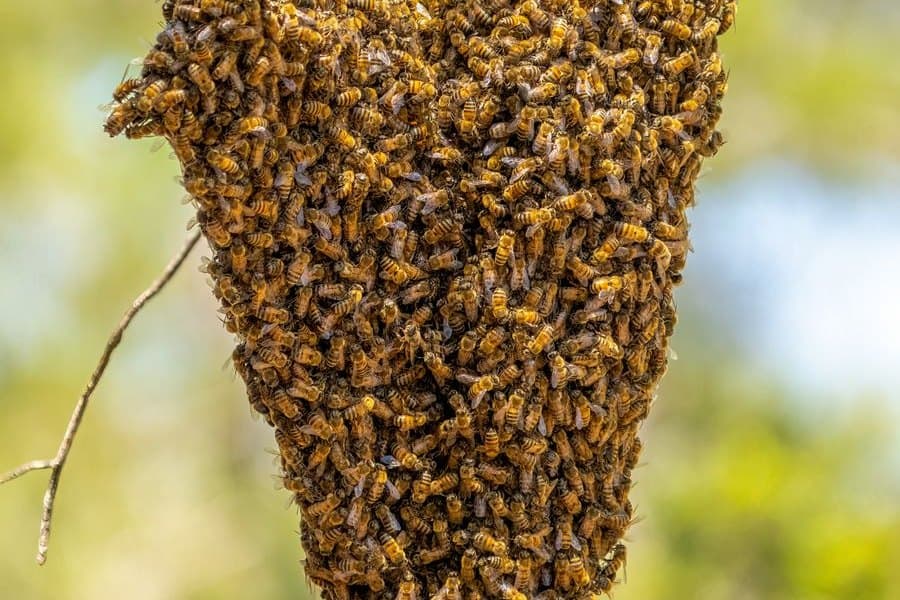
Bees are worth protecting, so the first question on any bee job is whether it is a swarm that can be collected or an established hive inside the building. The two need completely different work.
- European honey bees are golden brown and furry, about 12mm, and they visit flowers. They are not aggressive away from the hive.
- A swarm is a football-sized cluster of bees hanging on a branch, fence or wall. It is temporary, usually moves on within a day or two, and can often be collected by a beekeeper.
- An established hive is different: bees flying in and out of one fixed point in a wall, eave, chimney or meter box, all day, every day.
- Bees are furry and stocky. Wasps are smooth, shiny and narrow-waisted, which matters because the removal is not the same.
Signs Of A Hive In The Building
Spot any of these and it is worth getting the property looked at.
- A steady stream of bees entering and leaving the same gap in the brickwork, weatherboard or eave.
- A low, constant humming inside a wall or ceiling.
- Honey or dark staining bleeding through interior plaster or a ceiling.
- A cluster of bees hanging on a branch, fence post or wall, which is a swarm rather than a hive.
- Unusual numbers of bees around one part of the house all day.
Our Bee Removal Process
Step by step, so you know exactly what happens and when.
On-site assessment to identify bee species and hive location
Determination of best removal method (live relocation vs. extermination)
Safe capture of swarms using specialized equipment
Careful extraction of established hives from structures
Complete removal of honeycomb, honey, and wax to prevent attracting pests
Cleaning and deodorization of affected areas
Sealing of entry points with appropriate materials
Relocation of honey bees to registered beekeepers when possible
Follow-up to ensure no returning scout bees
Bee Removal Pricing
Starting prices for a standard residential property, including bee removal. Every job is quoted before we begin.
Starting From $129
The most affordable pest control service
Note: Final prices will depend on the type of treatment, the level of infestation and the size of the property.
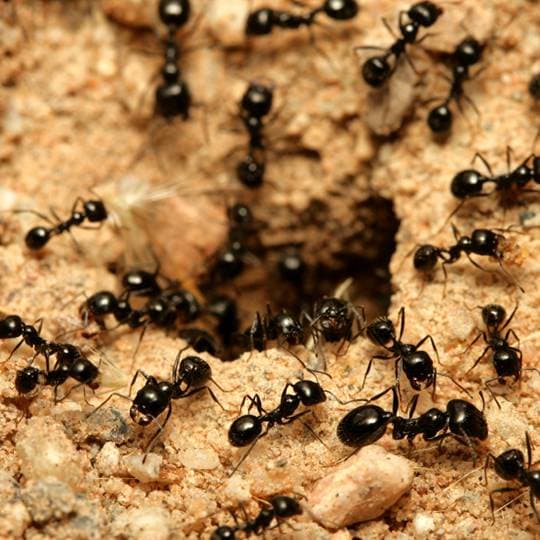
Starting From $179
Full internal and external ant treatment
Note: Final prices will depend on the type of treatment, the level of infestation and the size of the property.

Starting From $199
Residential rat and mouse treatment
Note: Final prices will depend on the type of treatment, the level of infestation and the size of the property.
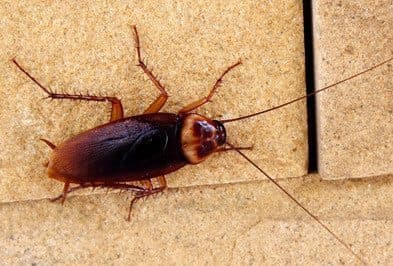
Starting From $199
Full internal and external cockroach treatment
Note: Final prices will depend on the type of treatment, the level of infestation and the size of the property.
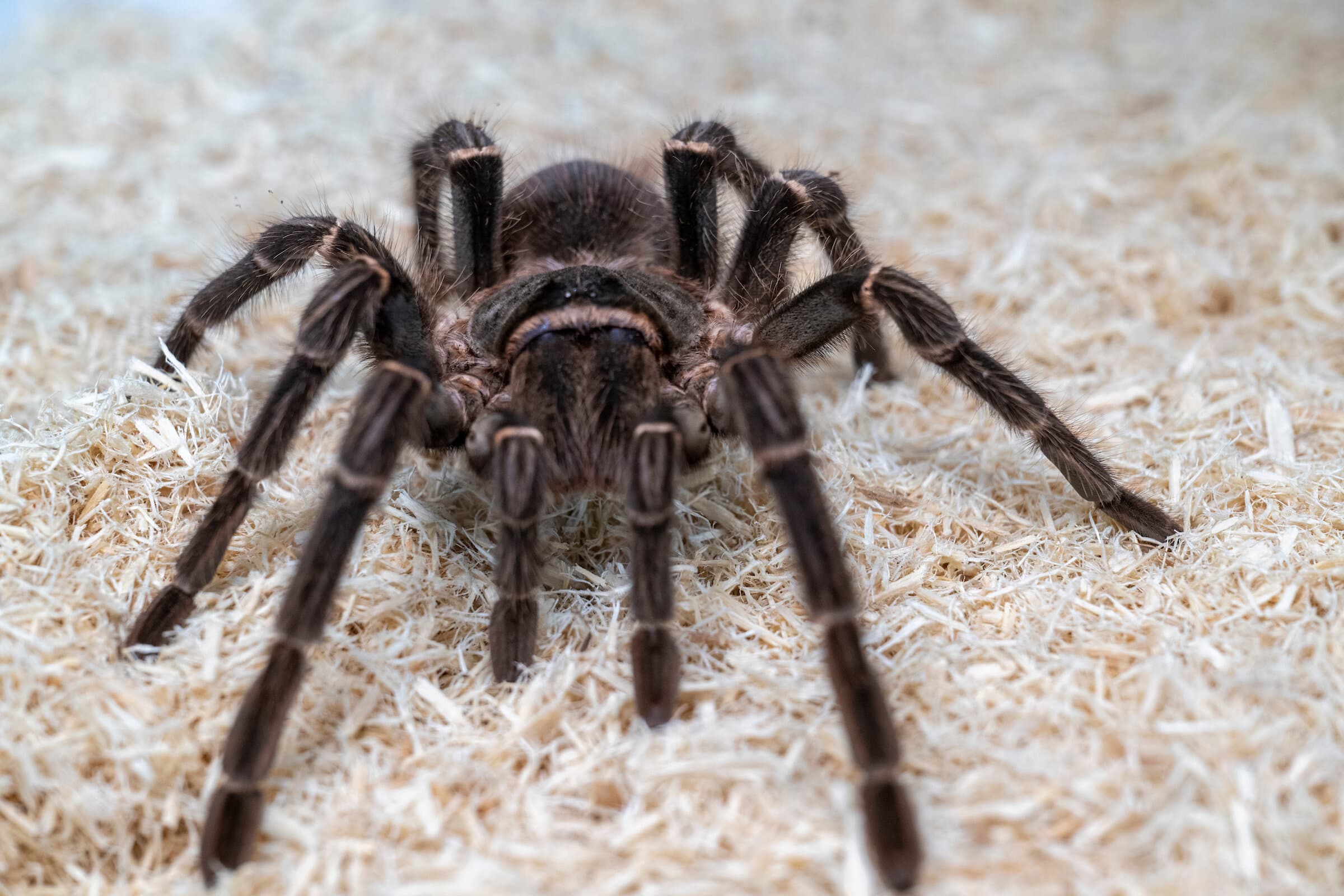
Starting From $199
Internal and external spider and web treatment
Note: Final prices will depend on the type of treatment, the level of infestation and the size of the property.
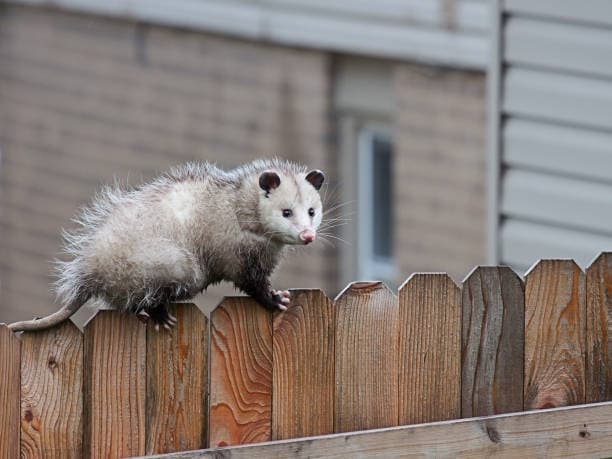
Starting From $349
Humane possum removal and roof proofing
Note: Final prices will depend on the type of treatment, the level of infestation and the size of the property.
All prices shown are starting prices for a standard residential property. Call us for an exact quote before any work begins.
Safe For Your Family And Pets
Bee removal is performed by trained professionals using protective equipment. We prioritize safety for occupants and aim to preserve honey bees whenever possible due to their ecological importance.
Our Guarantee
We offer a pest-free guarantee. If pests return within the warranty period, we come back and treat again at no extra cost. Every technician is fully licensed and insured.
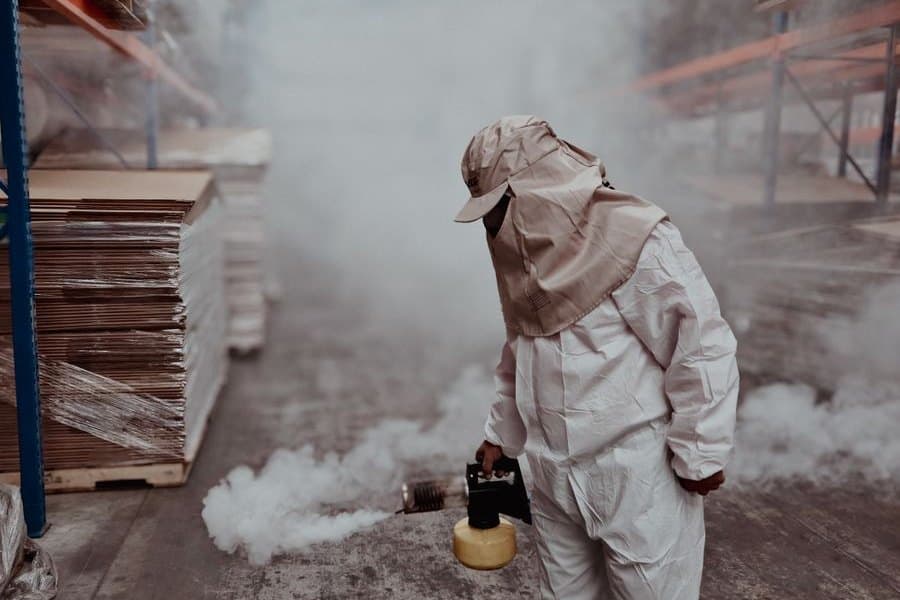
When They Are Worst In Melbourne
Swarming season in Melbourne runs from September through to December, which is when most swarm calls come in. Hives established during spring keep growing right through summer, so the same colony ignored in October is a much bigger job by February. Autumn and winter are quieter, but an established hive stays in the wall.
Why DIY Usually Fails
Do not spray a hive or block the entrance. Both leave the comb and the honey behind, which is the part that causes the water damage, the smell and the follow-on pest problem. A swarm on a branch is usually best collected live by a beekeeper. A hive inside the structure needs opening up, full comb removal and sealing so the cavity does not get reoccupied.
Why Choose Rick Pest Control For Bee Removal?
Fast, honest work from a local team that treats your property the way we would treat our own.
Committed to live bee relocation and preservation when feasible
Experienced with difficult hive extractions from walls and roofs
Complete removal prevents future pest problems
Fast emergency response for aggressive swarms
Licensed and fully insured for your protection
Partnership with local beekeepers for bee rehoming
Why Melbourne Trusts Us
Licensed, insured and fully equipped. Every treatment we carry out is done to Australian standards and backed by our guarantee.
Need Bee Removal Today?
Talk to a local technician now and get a free, no-obligation quote.
Write a Review
Customer Reviews (9)
How To Keep Them Away
Simple things you can do between visits to make your property a harder target.
Never attempt to remove a bee hive yourself - call professionals immediately.
Keep a safe distance from swarms and don't provoke them.
Seal openings in walls, eaves, and roofs to prevent hive establishment.
Remove flowering plants very close to entry doors if bee activity is high.
If you spot a swarm, contact a beekeeper or pest control immediately - swarms are easiest to remove.
Never seal a bee entry point without removing the hive first.
Did you know? A single honey bee colony can contain 20,000 to 80,000 bees, and they're essential pollinators responsible for one-third of the food we eat. That's why live relocation is preferred whenever possible.
Bee Removal FAQs
Answers to what people ask us most before they book.
How much does bee removal cost in Melbourne?+
Treatments start from $129 for a standard residential property, and bee removal is quoted on inspection. Final prices will depend on the type of treatment, the level of infestation and the size of the property. Call +61 459 372 796 for an exact figure before any work begins.
How quickly can you come out?+
In most cases we offer same-day or next-day service across Melbourne. Ring us before 12pm and we can usually treat the same day, subject to technician availability in your area.
Is bee removal safe for children and pets?+
Bee removal is performed by trained professionals using protective equipment. We prioritize safety for occupants and aim to preserve honey bees whenever possible due to their ecological importance.
What happens during a bee removal visit?+
We start with on-site assessment to identify bee species and hive location, then determination of best removal method (live relocation vs. extermination), then safe capture of swarms using specialized equipment. The full job runs to 9 steps, and your technician will talk you through each one on site.
What if the pests come back?+
We offer a pest-free guarantee. If they return within the warranty period, we come back and treat again at no extra cost.
How do I stop them coming back?+
Never attempt to remove a bee hive yourself - call professionals immediately. Keep a safe distance from swarms and don't provoke them. Seal openings in walls, eaves, and roofs to prevent hive establishment. Your technician will point out anything specific to your property on the day.
Do you service my suburb?+
We cover 155+ Melbourne suburbs, from the Mornington Peninsula to the western growth corridor, for both homes and businesses. Call +61 459 372 796 and we will confirm availability for your address.
Servicing 155+ Melbourne Suburbs
From the Mornington Peninsula to the western growth corridor, our technicians cover the whole metro area.
Western Suburbs
- Altona
- Altona North
- Bacchus Marsh
- Burnside
- Caroline Springs
- Darley
- Deanside
- Deer Park
- Essendon
- Flemington
- Footscray
- Fraser Rise
+ 23 more suburbs
Northern Suburbs
- Airport West
- Broadmeadows
- Brunswick
- Brunswick East
- Bundoora
- Coburg
- Coolaroo
- Craigieburn
- Dallas
- Epping
- Fawkner
- Gladstone Park
+ 18 more suburbs
Eastern Suburbs
- Ashburton
- Bayswater
- Bayswater North
- Blackburn
- Blackburn South
- Boronia
- Box Hill
- Box Hill South
- Burwood
- Burwood East
- Clayton
- Doncaster
+ 18 more suburbs
South East Melbourne
- Beaconsfield
- Berwick
- Carrum Downs
- Clyde
- Clyde North
- Cranbourne
- Cranbourne East
- Cranbourne North
- Cranbourne West
- Dandenong
- Dandenong South
- Doveton
+ 18 more suburbs
Other Services We Offer
Dealing with more than one pest? We can treat it all in the same visit.