Same-Day Service Available
Mealybug Control Melbourne
Targeted treatment for mealybug infestations on indoor plants, outdoor gardens, and commercial nurseries using systemic and contact insecticides.
Get a Free Mealybug Control Quote
5+ Years Of Local Experience
Skilled Local Technicians
Same-Day Service Available
Affordable Melbourne Pricing
Pet & Family Safe Treatments
Why Mealybug Control Should Not Wait
What it costs you to leave the problem alone.
The plant declines and dies
Mealybugs feed on sap. A heavy population starves the plant, deforms new growth and eventually kills it, and they are especially damaging to citrus, grapevines, succulents and indoor tropicals.
Sooty mould and mess
Honeydew coats everything below the plant and grows black mould. On an indoor plant that means sticky floors and furniture. On citrus it means unsaleable, blackened fruit.
They spread to every plant you own
One infested plant brought home from a nursery moves through a whole collection, and root mealybug survives in reused potting mix and pots.
What Our Mealybug Control Includes
Every job is carried out by a licensed, insured local technician.
Plant inspection and infestation assessment
Systemic insecticide treatment for severe infestations
Contact spray for visible mealybugs
Natural predator introduction options
Ongoing prevention and monitoring advice
1,000+
Happy Customers
155+
Suburbs Covered
5+
Years Experience
24/7
Customer Support
How To Identify Mealybugs
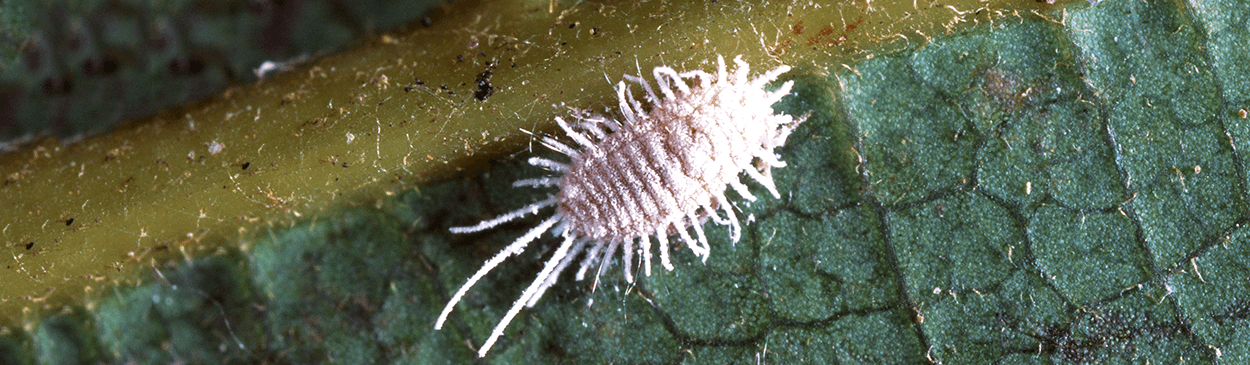
Mealybugs are a plant pest rather than a building pest, and they are the reason a healthy indoor plant or a productive citrus tree suddenly stops growing and turns sticky and black.
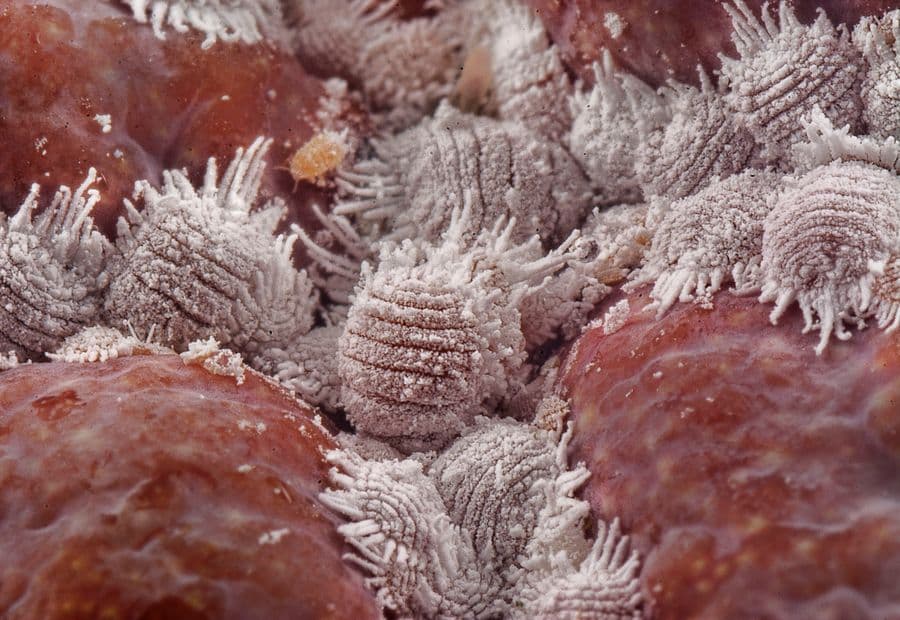
- Adults are small, 3mm to 4mm, soft-bodied and covered in a white powdery wax, so a cluster looks like specks of cotton wool.
- They gather where a leaf meets the stem, in new growth tips, and on the underside of leaves.
- Root mealybugs live below the soil line and show up as white waxy deposits on the roots and inside the pot when a plant is repotted.
- The sticky residue they leave is honeydew, and the black film that grows on it afterwards is sooty mould.
Signs On Your Plants
Spot any of these and it is worth getting the property looked at.
- White cottony clusters in leaf joints and on new growth.
- Sticky leaves, and a sticky film on the floor or bench under an indoor plant.
- Black sooty mould on leaves and stems.
- Yellowing leaves, stunted new growth and leaf drop on an otherwise healthy plant.
- Ants running up and down the stems, which farm mealybugs for the honeydew and protect them from predators.
Our Mealybug Control Process
Step by step, so you know exactly what happens and when.
Detailed inspection of plants, focusing on leaf undersides, stems, and soil
Assessment of infestation severity and plant species
Manual removal of heavily infested plant parts
Application of systemic insecticide to soil or direct injection into plants
Contact spray treatment for visible mealybugs and egg masses
Treatment of surrounding plants to prevent spread
Introduction of biological control agents (ladybugs, lacewings) when appropriate
Recommendations for plant care and prevention
Follow-up inspection and re-treatment if necessary
Mealybug Control Pricing
Starting prices for a standard residential property, including mealybug control. Every job is quoted before we begin.
Starting From $129
The most affordable pest control service
Note: Final prices will depend on the type of treatment, the level of infestation and the size of the property.
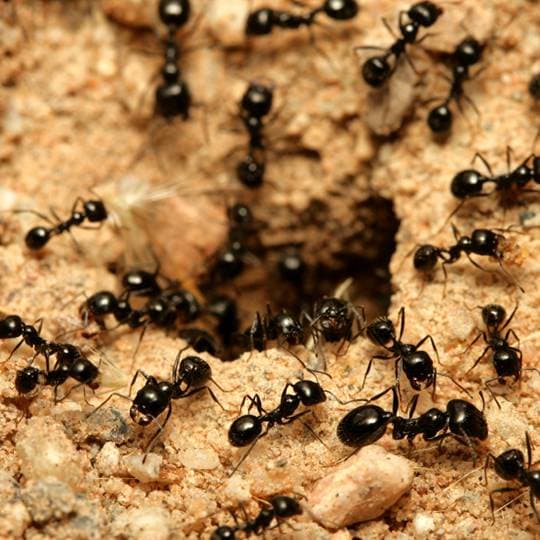
Starting From $179
Full internal and external ant treatment
Note: Final prices will depend on the type of treatment, the level of infestation and the size of the property.
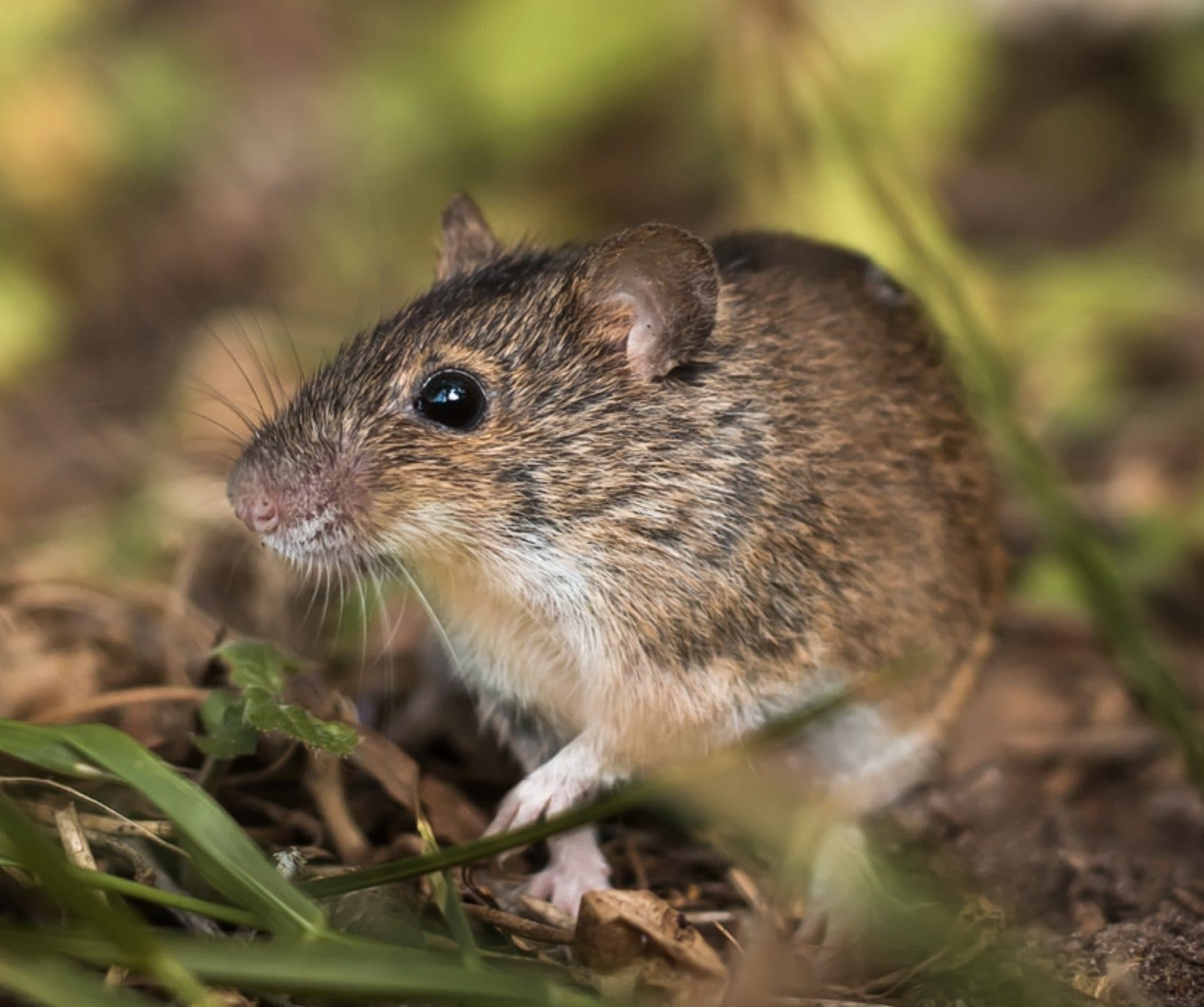
Starting From $199
Residential rat and mouse treatment
Note: Final prices will depend on the type of treatment, the level of infestation and the size of the property.
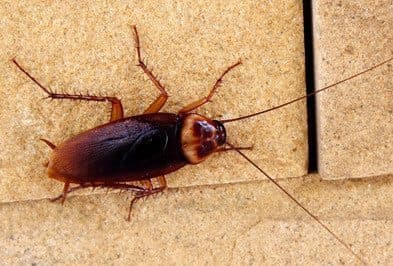
Starting From $199
Full internal and external cockroach treatment
Note: Final prices will depend on the type of treatment, the level of infestation and the size of the property.
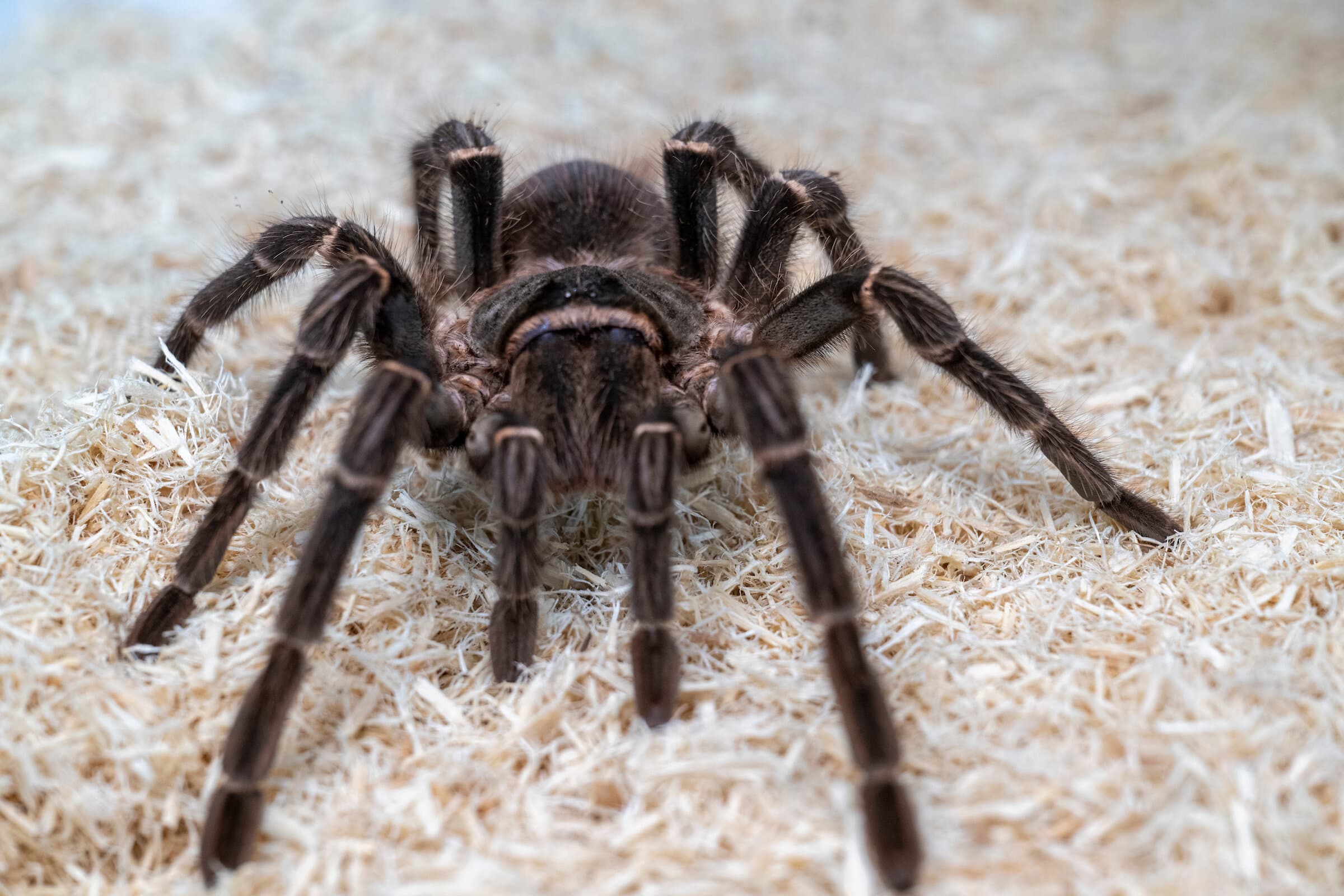
Starting From $199
Internal and external spider and web treatment
Note: Final prices will depend on the type of treatment, the level of infestation and the size of the property.
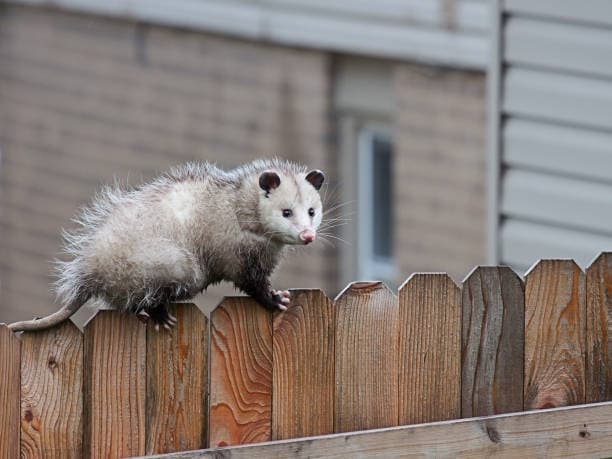
Starting From $349
Humane possum removal and roof proofing
Note: Final prices will depend on the type of treatment, the level of infestation and the size of the property.
All prices shown are starting prices for a standard residential property. Call us for an exact quote before any work begins.
Safe For Your Family And Pets
Plant treatments use products safe for ornamental and food plants when applied correctly. We provide specific instructions on harvest wait times for edible plants.
Our Guarantee
We offer a pest-free guarantee. If pests return within the warranty period, we come back and treat again at no extra cost. Every technician is fully licensed and insured.
When They Are Worst In Melbourne
Outdoors in Melbourne, mealybugs build up over the warm months from October to March. Indoors and in glasshouses there is no off season: heating keeps them breeding right through winter, which is why an indoor plant problem does not clear up on its own the way a garden one sometimes does.
Why DIY Usually Fails
Wiping visible clusters with a cotton bud helps on a single plant and misses the ones in the growth tips, under the leaf sheaths and on the roots. Sprays that do not reach those places just leave the population to rebuild. Treatment needs to cover the whole plant including the root zone, deal with the ants that are protecting them, and be repeated to catch the eggs that were not exposed the first time.
Why Choose Rick Pest Control For Mealybug Control?
Fast, honest work from a local team that treats your property the way we would treat our own.
Specialized knowledge of plant pest management
Safe for use on indoor and outdoor plants
Integrated pest management approach combining chemical and biological controls
Experience with commercial nurseries and home gardens
Customized treatment plans based on plant species
Why Melbourne Trusts Us
Licensed, insured and fully equipped. Every treatment we carry out is done to Australian standards and backed by our guarantee.
Need Mealybug Control Today?
Talk to a local technician now and get a free, no-obligation quote.
Write a Review
Customer Reviews (16)
How To Keep Them Away
Simple things you can do between visits to make your property a harder target.
Inspect new plants thoroughly before bringing them indoors or adding to your garden.
Isolate infested plants immediately to prevent spread.
Wipe leaves with rubbing alcohol on a cotton swab for small infestations.
Spray plants with a strong stream of water to dislodge mealybugs.
Avoid over-fertilizing plants as it makes them more attractive to mealybugs.
Maintain proper plant spacing for good air circulation.
Introduce beneficial insects like ladybugs as a preventative measure.
Did you know? Mealybugs excrete honeydew, a sugary substance that attracts ants and can lead to sooty mold growth on plants. Controlling ants can sometimes help reduce mealybug populations.
Mealybug Control FAQs
Answers to what people ask us most before they book.
How much does mealybug control cost in Melbourne?+
Treatments start from $129 for a standard residential property, and mealybug control is quoted on inspection. Final prices will depend on the type of treatment, the level of infestation and the size of the property. Call +61 459 372 796 for an exact figure before any work begins.
How quickly can you come out?+
In most cases we offer same-day or next-day service across Melbourne. Ring us before 12pm and we can usually treat the same day, subject to technician availability in your area.
Is mealybug control safe for children and pets?+
Plant treatments use products safe for ornamental and food plants when applied correctly. We provide specific instructions on harvest wait times for edible plants.
What happens during a mealybug control visit?+
We start with detailed inspection of plants, focusing on leaf undersides, stems, and soil, then assessment of infestation severity and plant species, then manual removal of heavily infested plant parts. The full job runs to 9 steps, and your technician will talk you through each one on site.
What if the pests come back?+
We offer a pest-free guarantee. If they return within the warranty period, we come back and treat again at no extra cost.
How do I stop them coming back?+
Inspect new plants thoroughly before bringing them indoors or adding to your garden. Isolate infested plants immediately to prevent spread. Wipe leaves with rubbing alcohol on a cotton swab for small infestations. Your technician will point out anything specific to your property on the day.
Do you service my suburb?+
We cover 155+ Melbourne suburbs, from the Mornington Peninsula to the western growth corridor, for both homes and businesses. Call +61 459 372 796 and we will confirm availability for your address.
Servicing 155+ Melbourne Suburbs
From the Mornington Peninsula to the western growth corridor, our technicians cover the whole metro area.
Western Suburbs
- Altona
- Altona North
- Bacchus Marsh
- Burnside
- Caroline Springs
- Darley
- Deanside
- Deer Park
- Essendon
- Flemington
- Footscray
- Fraser Rise
+ 23 more suburbs
Northern Suburbs
- Airport West
- Broadmeadows
- Brunswick
- Brunswick East
- Bundoora
- Coburg
- Coolaroo
- Craigieburn
- Dallas
- Epping
- Fawkner
- Gladstone Park
+ 18 more suburbs
Eastern Suburbs
- Ashburton
- Bayswater
- Bayswater North
- Blackburn
- Blackburn South
- Boronia
- Box Hill
- Box Hill South
- Burwood
- Burwood East
- Clayton
- Doncaster
+ 18 more suburbs
South East Melbourne
- Beaconsfield
- Berwick
- Carrum Downs
- Clyde
- Clyde North
- Cranbourne
- Cranbourne East
- Cranbourne North
- Cranbourne West
- Dandenong
- Dandenong South
- Doveton
+ 18 more suburbs
Other Services We Offer
Dealing with more than one pest? We can treat it all in the same visit.