Same-Day Service Available
Carpet Beetle Control Melbourne
Specialized treatment for carpet beetles targeting both larvae and adults to protect your carpets, clothing, and natural fiber furnishings from damage.
Get a Free Carpet Beetle Control Quote
5+ Years Of Local Experience
Skilled Local Technicians
Same-Day Service Available
Affordable Melbourne Pricing
Pet & Family Safe Treatments
Why Carpet Beetle Control Should Not Wait
What it costs you to leave the problem alone.
Permanent damage to wool
Larvae eat keratin, so they target wool carpet, suits, jumpers, blankets and felt. The damage cannot be repaired, only replaced, and it is usually found after the item has been in storage for months.
Skin irritation
The bristles shed by the larvae cause an itchy rash in some people, which is often blamed on bed bugs or fleas before the real cause is found.
They spread through the house
A single infestation moves from a bird nest in the eaves or a forgotten wool rug into wardrobes, ducting and under-floor carpet across the whole house.
What Our Carpet Beetle Control Includes
Every job is carried out by a licensed, insured local technician.
Identification of carpet beetle species
Targeted insecticide treatment for larvae
Steam treatment for sensitive fabrics
Preventative surface treatments
Advice on proper storage and prevention
1,000+
Happy Customers
155+
Suburbs Covered
5+
Years Experience
24/7
Customer Support
How To Identify Carpet Beetles
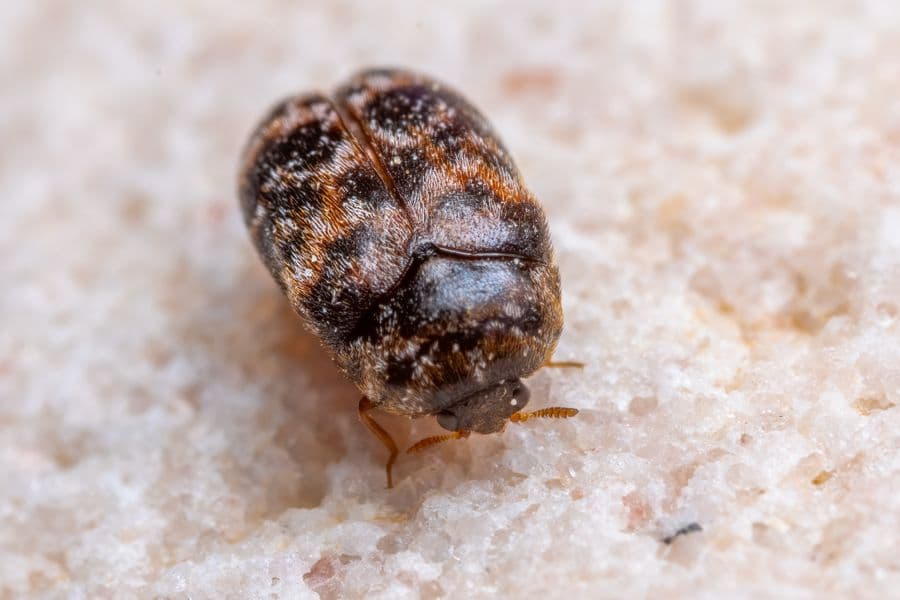
The beetle you see on the windowsill is not the one doing the damage. Carpet beetle larvae eat wool, and by the time an adult is flying around the room the damage in the wardrobe has usually already been done.
- Adult carpet beetles are small, 2mm to 4mm, rounded, and mottled black, white and orange. They are attracted to light and are usually found on windowsills.
- The larvae are the destructive stage. They are 4mm to 5mm, carrot-shaped, brown and covered in bristles, and they avoid light.
- Shed larval skins are the giveaway. They look like tiny hollow versions of the larva and collect under furniture and in wardrobe corners.
- Damage is irregular bare patches, not the neat round holes you get from clothes moths.
Signs You Have A Problem
Spot any of these and it is worth getting the property looked at.
- Bare or thinning patches in wool carpet, usually under furniture or along the edge of a room where the vacuum does not reach.
- Holes in wool jumpers, suits and blankets that have been stored for a season.
- Bristly brown larvae or shed skins in wardrobe corners, under rugs and in air conditioning ducts.
- Small mottled beetles collecting on windowsills in spring.
- Damage concentrated in dark, undisturbed places rather than out in the open.
Our Carpet Beetle Control Process
Step by step, so you know exactly what happens and when.
Detailed inspection of carpets, rugs, upholstery, and stored clothing
Identification of infestation severity and damage assessment
Thorough vacuuming of affected areas to remove eggs and larvae
Application of residual insecticide to carpet edges, baseboards, and under furniture
Treatment of wardrobes, closets, and storage areas
Steam treatment for delicate fabrics and materials
Advice on washing and dry cleaning of infested items
Recommendations for ongoing prevention and monitoring
Carpet Beetle Control Pricing
Starting prices for a standard residential property, including carpet beetle control. Every job is quoted before we begin.
Starting From $129
The most affordable pest control service
Note: Final prices will depend on the type of treatment, the level of infestation and the size of the property.
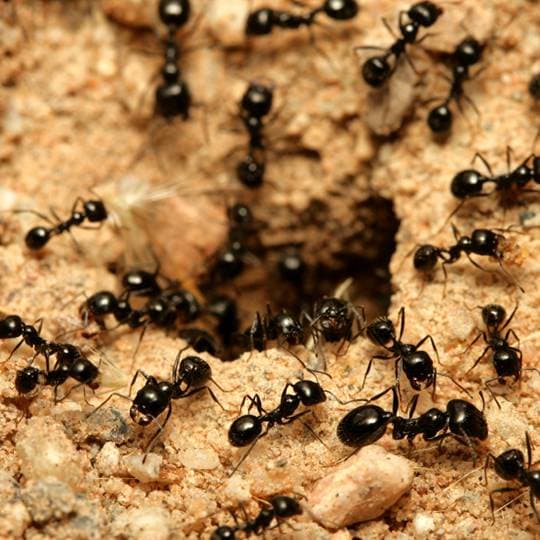
Starting From $179
Full internal and external ant treatment
Note: Final prices will depend on the type of treatment, the level of infestation and the size of the property.
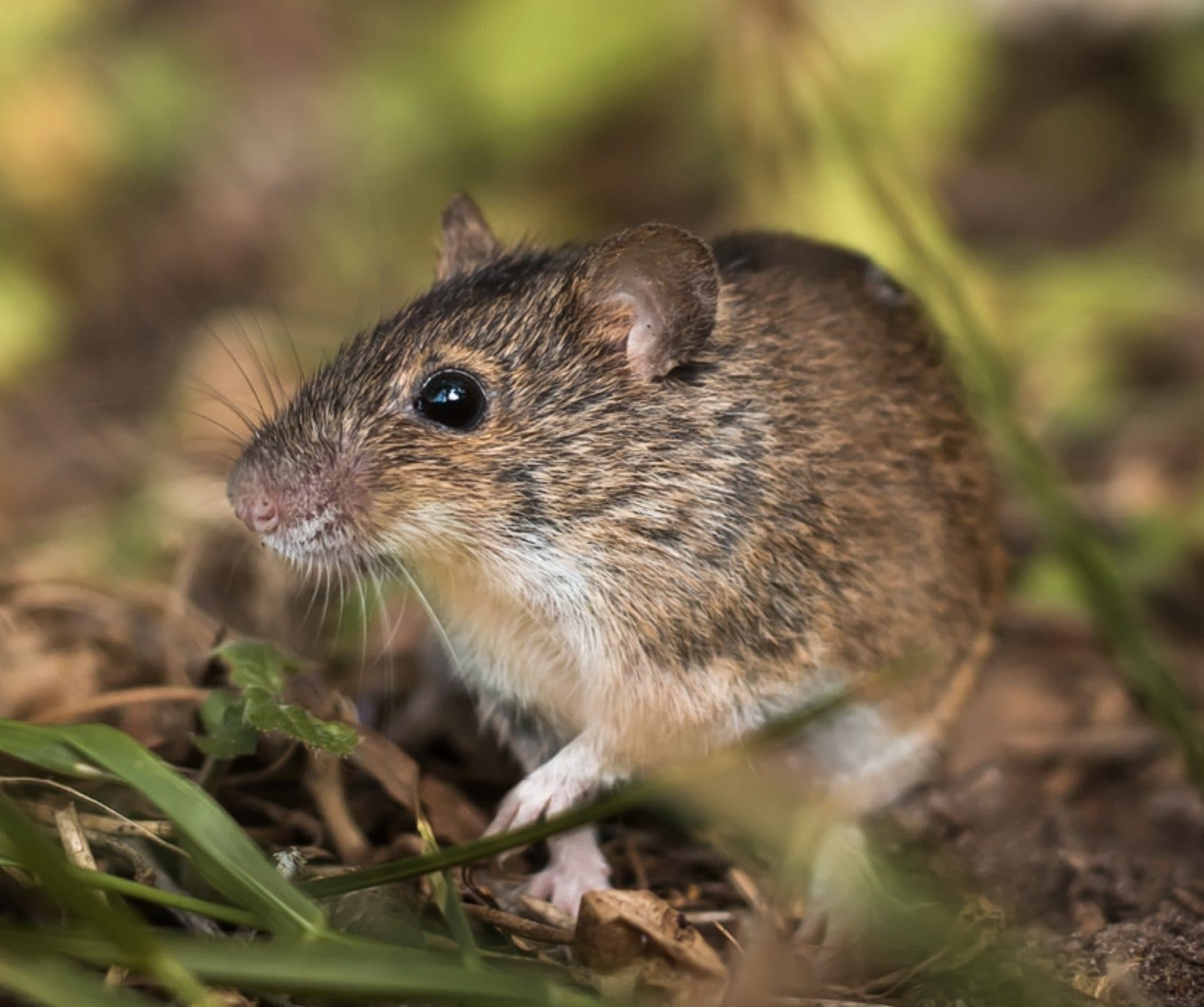
Starting From $199
Residential rat and mouse treatment
Note: Final prices will depend on the type of treatment, the level of infestation and the size of the property.
Starting From $199
Full internal and external cockroach treatment
Note: Final prices will depend on the type of treatment, the level of infestation and the size of the property.
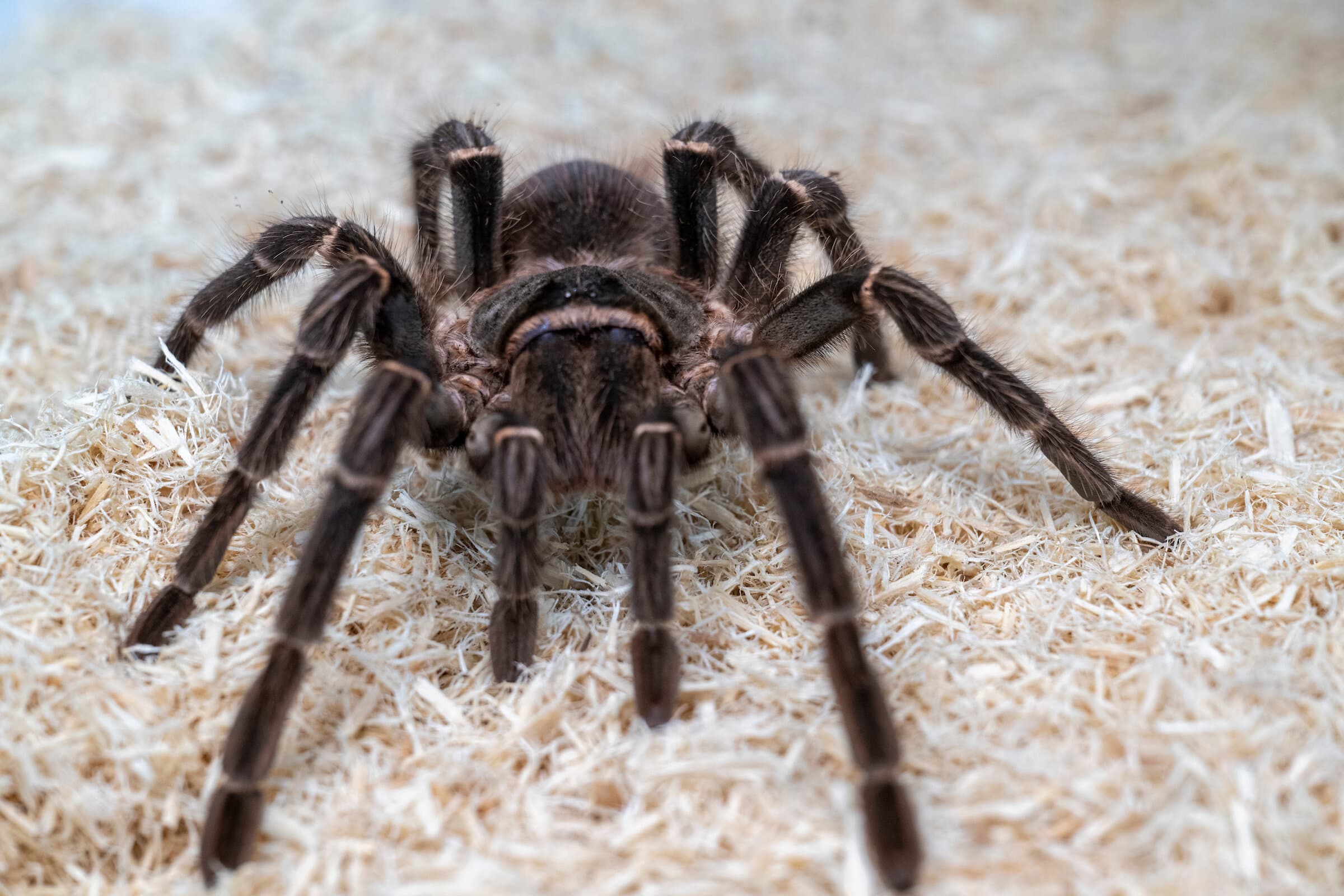
Starting From $199
Internal and external spider and web treatment
Note: Final prices will depend on the type of treatment, the level of infestation and the size of the property.
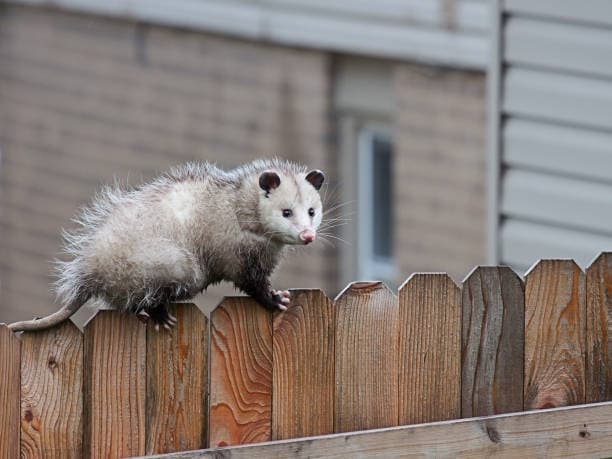
Starting From $349
Humane possum removal and roof proofing
Note: Final prices will depend on the type of treatment, the level of infestation and the size of the property.
All prices shown are starting prices for a standard residential property. Call us for an exact quote before any work begins.
Safe For Your Family And Pets
Carpet beetle treatments use targeted applications that are safe for use around fabrics and furnishings. Steam treatments are chemical-free and highly effective for sensitive materials.
Our Guarantee
We offer a pest-free guarantee. If pests return within the warranty period, we come back and treat again at no extra cost. Every technician is fully licensed and insured.
When They Are Worst In Melbourne
Adults are most obvious in Melbourne in spring, when they emerge and head for windows and flowering plants. The larvae feed all year in the dark, which is why the visible beetle season and the damage season are not the same thing. Wool clothing put away at the end of winter and pulled out the following year is the classic case.
Why DIY Usually Fails
Vacuuming lifts the larvae you can reach, which is worth doing but never reaches the ones under the carpet edge, inside the ducting or in the wardrobe corner. Treatment has to cover the harbourage: carpet edges and under furniture, wardrobes and stored textiles, and any bird or possum nest in the roof that is feeding the cycle.
Why Choose Rick Pest Control For Carpet Beetle Control?
Fast, honest work from a local team that treats your property the way we would treat our own.
Specialized knowledge of carpet beetle biology and behavior
Gentle treatments safe for expensive carpets and fabrics
Comprehensive approach addressing both beetles and larvae
Prevention strategies to avoid future infestations
Experience with museum and heritage textile protection
Why Melbourne Trusts Us
Licensed, insured and fully equipped. Every treatment we carry out is done to Australian standards and backed by our guarantee.
Need Carpet Beetle Control Today?
Talk to a local technician now and get a free, no-obligation quote.
Write a Review
Customer Reviews (21)
How To Keep Them Away
Simple things you can do between visits to make your property a harder target.
Vacuum regularly, especially under furniture and along carpet edges.
Store woolens and natural fiber items in sealed plastic bags or containers.
Dry clean or wash stored items before putting them away for the season.
Use cedar blocks or lavender sachets as natural deterrents.
Inspect secondhand furniture and rugs before bringing them into your home.
Keep windows and doors screened to prevent adult beetles from entering.
Reduce lint buildup in heating vents and around appliances.
Did you know? Carpet beetle larvae can cause more damage than moths to natural fibers. They feed on wool, silk, feathers, and even pet hair, and can remain in the larval stage for up to a year.
Carpet Beetle Control FAQs
Answers to what people ask us most before they book.
How much does carpet beetle control cost in Melbourne?+
Treatments start from $129 for a standard residential property, and carpet beetle control is quoted on inspection. Final prices will depend on the type of treatment, the level of infestation and the size of the property. Call +61 459 372 796 for an exact figure before any work begins.
How quickly can you come out?+
In most cases we offer same-day or next-day service across Melbourne. Ring us before 12pm and we can usually treat the same day, subject to technician availability in your area.
Is carpet beetle control safe for children and pets?+
Carpet beetle treatments use targeted applications that are safe for use around fabrics and furnishings. Steam treatments are chemical-free and highly effective for sensitive materials.
What happens during a carpet beetle control visit?+
We start with detailed inspection of carpets, rugs, upholstery, and stored clothing, then identification of infestation severity and damage assessment, then thorough vacuuming of affected areas to remove eggs and larvae. The full job runs to 8 steps, and your technician will talk you through each one on site.
What if the pests come back?+
We offer a pest-free guarantee. If they return within the warranty period, we come back and treat again at no extra cost.
How do I stop them coming back?+
Vacuum regularly, especially under furniture and along carpet edges. Store woolens and natural fiber items in sealed plastic bags or containers. Dry clean or wash stored items before putting them away for the season. Your technician will point out anything specific to your property on the day.
Do you service my suburb?+
We cover 155+ Melbourne suburbs, from the Mornington Peninsula to the western growth corridor, for both homes and businesses. Call +61 459 372 796 and we will confirm availability for your address.
Servicing 155+ Melbourne Suburbs
From the Mornington Peninsula to the western growth corridor, our technicians cover the whole metro area.
Western Suburbs
- Altona
- Altona North
- Bacchus Marsh
- Burnside
- Caroline Springs
- Darley
- Deanside
- Deer Park
- Essendon
- Flemington
- Footscray
- Fraser Rise
+ 23 more suburbs
Northern Suburbs
- Airport West
- Broadmeadows
- Brunswick
- Brunswick East
- Bundoora
- Coburg
- Coolaroo
- Craigieburn
- Dallas
- Epping
- Fawkner
- Gladstone Park
+ 18 more suburbs
Eastern Suburbs
- Ashburton
- Bayswater
- Bayswater North
- Blackburn
- Blackburn South
- Boronia
- Box Hill
- Box Hill South
- Burwood
- Burwood East
- Clayton
- Doncaster
+ 18 more suburbs
South East Melbourne
- Beaconsfield
- Berwick
- Carrum Downs
- Clyde
- Clyde North
- Cranbourne
- Cranbourne East
- Cranbourne North
- Cranbourne West
- Dandenong
- Dandenong South
- Doveton
+ 18 more suburbs
Other Services We Offer
Dealing with more than one pest? We can treat it all in the same visit.