
Same-Day Service Available
Silverfish Control Melbourne
Effective silverfish elimination using residual insecticides and environmental modifications to protect books, papers, and fabric from these moisture-loving pests.
Get a Free Silverfish Control Quote
5+ Years Of Local Experience
Skilled Local Technicians
Same-Day Service Available
Affordable Melbourne Pricing
Pet & Family Safe Treatments
Why Silverfish Control Should Not Wait
What it costs you to leave the problem alone.
Irreplaceable items
Silverfish eat starch, which means paper, book bindings, wallpaper paste, photographs and documents. The things they destroy are usually the things that cannot be replaced.
Damage to stored clothing
They graze natural fibres and leave yellow stains, so stored linen, cotton and silk come out of the cupboard marked and holed.
They tell you about a damp problem
Silverfish need humidity. A persistent population usually means a poorly ventilated roof space, a leak under a sink, or a damp subfloor that is worth finding for its own sake.
What Our Silverfish Control Includes
Every job is carried out by a licensed, insured local technician.
Moisture source identification and treatment
Residual dust application to wall voids
Surface spray to infested areas
Crack and crevice treatment
Dehumidification recommendations
1,000+
Happy Customers
155+
Suburbs Covered
5+
Years Experience
24/7
Customer Support

How To Identify Silverfish
Silverfish are quiet, slow damage. They do not bite and they do not carry disease, but they eat paper, glue and natural fabric, and they do it in the boxes and wardrobes nobody opens for a year.
- Silverfish are 12mm to 19mm, teardrop shaped, covered in silver grey scales, with two long antennae at the front and three bristles at the tail.
- They move in a quick wriggling motion, avoid light, and scatter when a cupboard is opened at night.
- Damage is irregular surface grazing and small ragged holes rather than clean cuts, often with a yellowish stain.
- Shed skins and fine peppery droppings collect in the bottom of the box or drawer they are living in.
Signs You Have A Problem
Spot any of these and it is worth getting the property looked at.
- Irregular holes and grazed patches in stored paper, photographs, books and wallpaper.
- Yellow staining on stored clothing, particularly cotton, linen and silk.
- Damage to book spines and the glue in binding, and to the paper backing on picture frames.
- Insects seen in the bathroom, laundry or kitchen at night when a light is turned on.
- Activity concentrated in the roof space, the linen cupboard, under the sink and in the garage.
Our Silverfish Control Process
Step by step, so you know exactly what happens and when.
Inspection of bathrooms, kitchens, laundries, and storage areas
Identification of moisture issues and silverfish harborage areas
Application of residual insecticidal dust to wall voids, subfloors, and roof spaces
Surface treatment of baseboards, cupboards, and bookshelves
Crack and crevice treatment around pipes and fixtures
Treatment of storage boxes and paper-rich environments
Recommendations for moisture control and ventilation improvements
Advice on proper storage of books, papers, and fabrics
Follow-up treatment if necessary for severe infestations
Silverfish Control Pricing
Starting prices for a standard residential property, including silverfish control. Every job is quoted before we begin.
Starting From $129
The most affordable pest control service
Note: Final prices will depend on the type of treatment, the level of infestation and the size of the property.
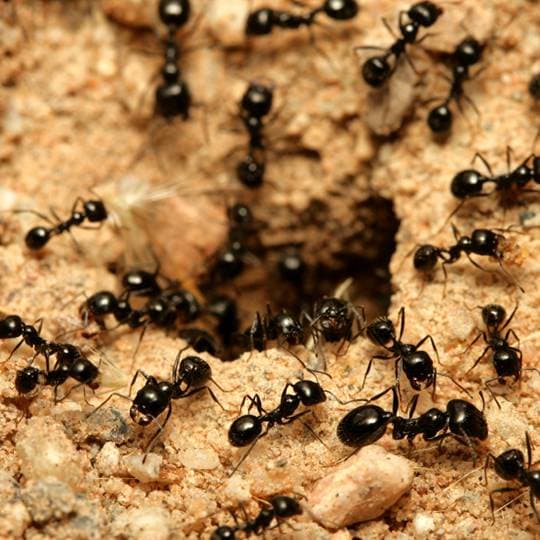
Starting From $179
Full internal and external ant treatment
Note: Final prices will depend on the type of treatment, the level of infestation and the size of the property.
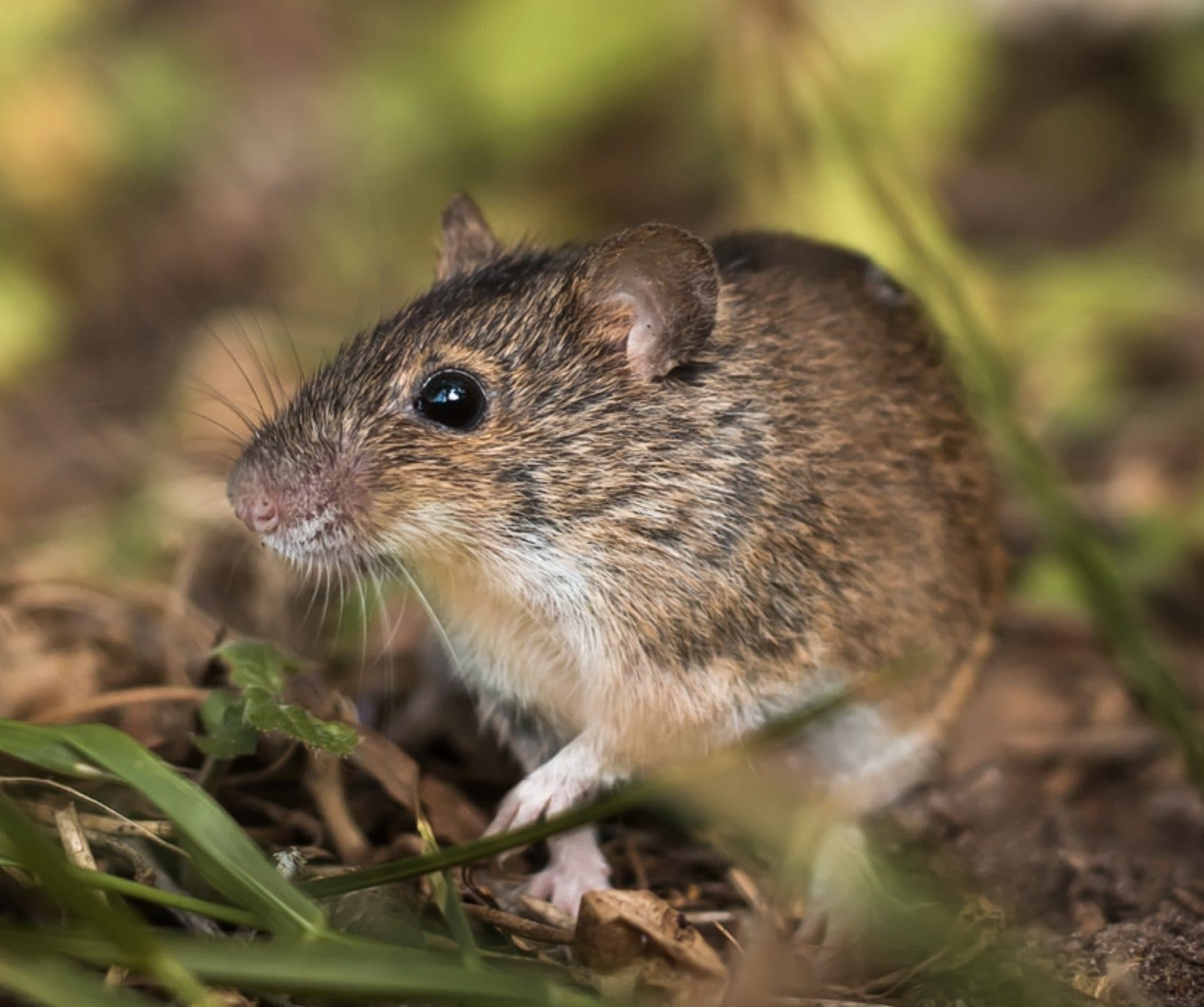
Starting From $199
Residential rat and mouse treatment
Note: Final prices will depend on the type of treatment, the level of infestation and the size of the property.
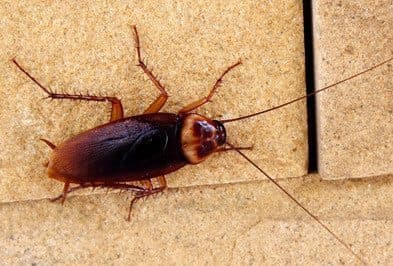
Starting From $199
Full internal and external cockroach treatment
Note: Final prices will depend on the type of treatment, the level of infestation and the size of the property.
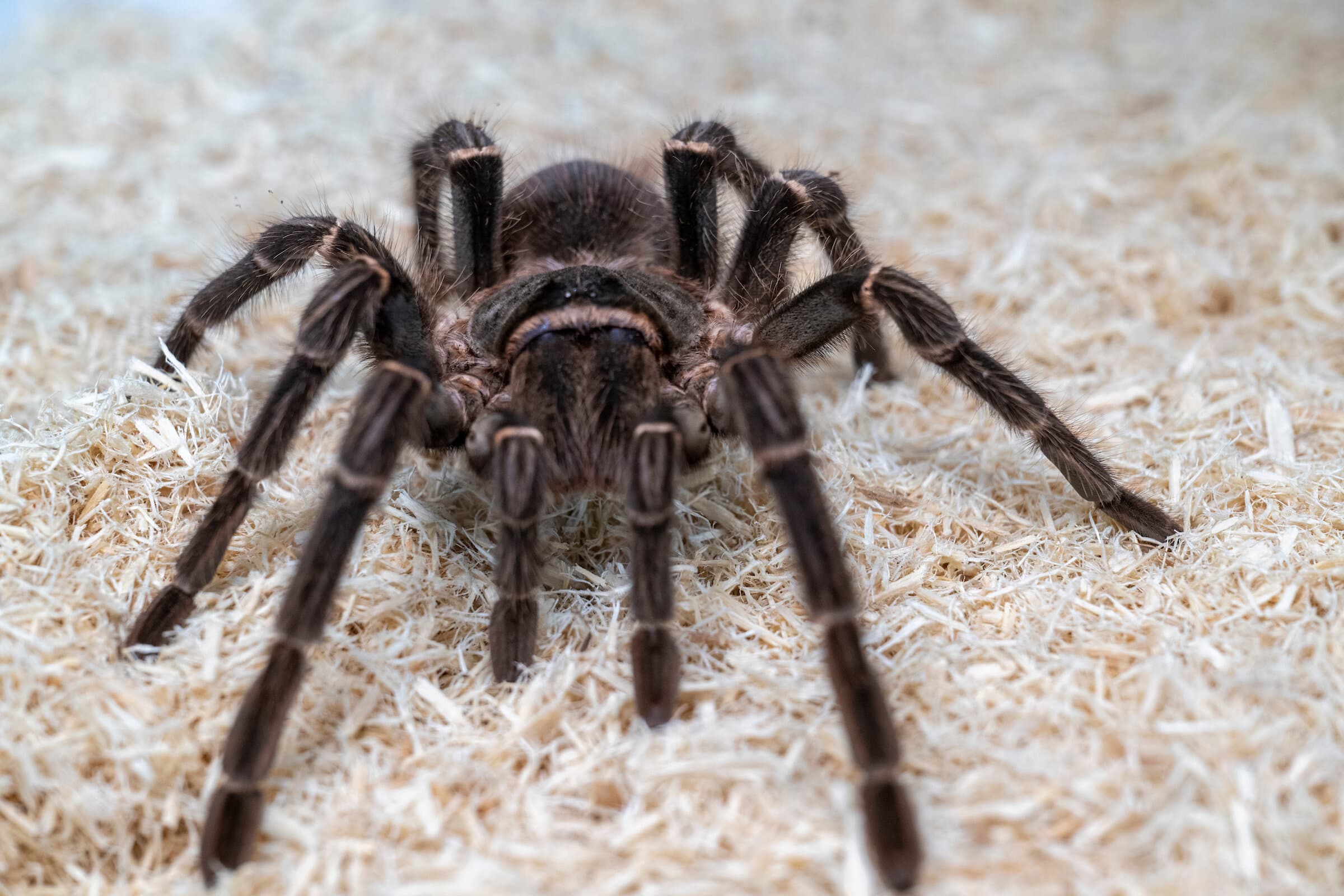
Starting From $199
Internal and external spider and web treatment
Note: Final prices will depend on the type of treatment, the level of infestation and the size of the property.
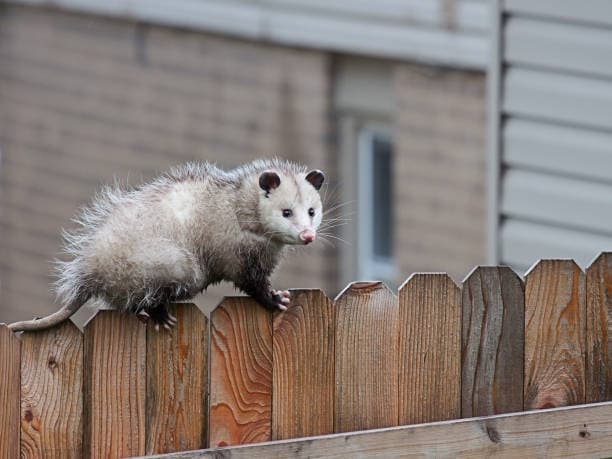
Starting From $349
Humane possum removal and roof proofing
Note: Final prices will depend on the type of treatment, the level of infestation and the size of the property.
All prices shown are starting prices for a standard residential property. Call us for an exact quote before any work begins.
Safe For Your Family And Pets
Silverfish treatments use low-toxicity products applied to areas with minimal human contact. Dust applications are made only to concealed voids and inaccessible spaces.
Our Guarantee
We offer a pest-free guarantee. If pests return within the warranty period, we come back and treat again at no extra cost. Every technician is fully licensed and insured.
When They Are Worst In Melbourne
Silverfish are active in Melbourne all year. They get worse over the damp winter months, when condensation and poor ventilation raise humidity in roof spaces, bathrooms and built-in wardrobes, and they concentrate wherever a leak or a cold external wall keeps one area permanently moist.
Why DIY Usually Fails
They live in wall voids, roof spaces and the backs of built-in cupboards, so a surface spray in the bathroom reaches almost none of the population. The fix is treating the voids and harbourage points properly and dealing with the humidity that is keeping them there. Running the exhaust fan, fixing the leak and improving the roof ventilation makes the treatment last.
Why Choose Rick Pest Control For Silverfish Control?
Fast, honest work from a local team that treats your property the way we would treat our own.
Specialized treatment for moisture-loving pests
Long-lasting residual protection
Safe for use around books and archived materials
Experience with libraries, archives, and storage facilities
Holistic approach addressing both pests and environmental factors
Why Melbourne Trusts Us
Licensed, insured and fully equipped. Every treatment we carry out is done to Australian standards and backed by our guarantee.
Need Silverfish Control Today?
Talk to a local technician now and get a free, no-obligation quote.
Write a Review
Customer Reviews (3)
How To Keep Them Away
Simple things you can do between visits to make your property a harder target.
Reduce humidity levels with dehumidifiers, especially in basements and bathrooms.
Fix leaking pipes and improve ventilation in damp areas.
Store books, papers, and fabrics in sealed plastic containers.
Regularly vacuum and dust bookshelves and storage areas.
Remove old newspapers, magazines, and cardboard boxes.
Seal cracks and crevices around baseboards and cabinets.
Use fans or open windows to increase air circulation in storage areas.
Did you know? Silverfish can live up to 8 years and can survive for months without food. They feed on starch and cellulose found in books, wallpaper, clothing, and even certain adhesives, making them particularly destructive in homes with extensive libraries or archives.
Silverfish Control FAQs
Answers to what people ask us most before they book.
How much does silverfish control cost in Melbourne?+
Treatments start from $129 for a standard residential property, and silverfish control is quoted on inspection. Final prices will depend on the type of treatment, the level of infestation and the size of the property. Call +61 459 372 796 for an exact figure before any work begins.
How quickly can you come out?+
In most cases we offer same-day or next-day service across Melbourne. Ring us before 12pm and we can usually treat the same day, subject to technician availability in your area.
Is silverfish control safe for children and pets?+
Silverfish treatments use low-toxicity products applied to areas with minimal human contact. Dust applications are made only to concealed voids and inaccessible spaces.
What happens during a silverfish control visit?+
We start with inspection of bathrooms, kitchens, laundries, and storage areas, then identification of moisture issues and silverfish harborage areas, then application of residual insecticidal dust to wall voids, subfloors, and roof spaces. The full job runs to 9 steps, and your technician will talk you through each one on site.
What if the pests come back?+
We offer a pest-free guarantee. If they return within the warranty period, we come back and treat again at no extra cost.
How do I stop them coming back?+
Reduce humidity levels with dehumidifiers, especially in basements and bathrooms. Fix leaking pipes and improve ventilation in damp areas. Store books, papers, and fabrics in sealed plastic containers. Your technician will point out anything specific to your property on the day.
Do you service my suburb?+
We cover 155+ Melbourne suburbs, from the Mornington Peninsula to the western growth corridor, for both homes and businesses. Call +61 459 372 796 and we will confirm availability for your address.
Servicing 155+ Melbourne Suburbs
From the Mornington Peninsula to the western growth corridor, our technicians cover the whole metro area.
Western Suburbs
- Altona
- Altona North
- Bacchus Marsh
- Burnside
- Caroline Springs
- Darley
- Deanside
- Deer Park
- Essendon
- Flemington
- Footscray
- Fraser Rise
+ 23 more suburbs
Northern Suburbs
- Airport West
- Broadmeadows
- Brunswick
- Brunswick East
- Bundoora
- Coburg
- Coolaroo
- Craigieburn
- Dallas
- Epping
- Fawkner
- Gladstone Park
+ 18 more suburbs
Eastern Suburbs
- Ashburton
- Bayswater
- Bayswater North
- Blackburn
- Blackburn South
- Boronia
- Box Hill
- Box Hill South
- Burwood
- Burwood East
- Clayton
- Doncaster
+ 18 more suburbs
South East Melbourne
- Beaconsfield
- Berwick
- Carrum Downs
- Clyde
- Clyde North
- Cranbourne
- Cranbourne East
- Cranbourne North
- Cranbourne West
- Dandenong
- Dandenong South
- Doveton
+ 18 more suburbs
Other Services We Offer
Dealing with more than one pest? We can treat it all in the same visit.